Webbing Sling Tips for Safe and Efficient Lifting Solutions?
Webbing Slings play a crucial role in lifting operations across various industries, from construction to manufacturing. According to the Occupational Safety and Health Administration (OSHA), improper lifting practices account for a significant percentage of workplace injuries, highlighting the importance of using safe equipment. The global market for lifting slings is projected to reach $1.25 billion by 2025, driven by increasing demand for safer lifting solutions.
Employing Webbing Slings helps improve efficiency, but attention to detail is vital. Even with high-quality materials, improper usage can lead to accidents. Data from the American National Standards Institute (ANSI) suggests that up to 30% of lifting incidents stem from equipment failure. Therefore, proper training and adherence to safety protocols are essential for maximizing their effectiveness.
Identifying high-risk situations and understanding load capacities can enhance safety. Regular inspections of Webbing Slings, as recommended by manufacturers, are not just best practices; they are integral in ensuring compliance. Reflecting on common mistakes in lifting procedures can provide a roadmap for improvement. Emphasizing awareness and commitment to safe practices can significantly reduce risks associated with lifting operations.
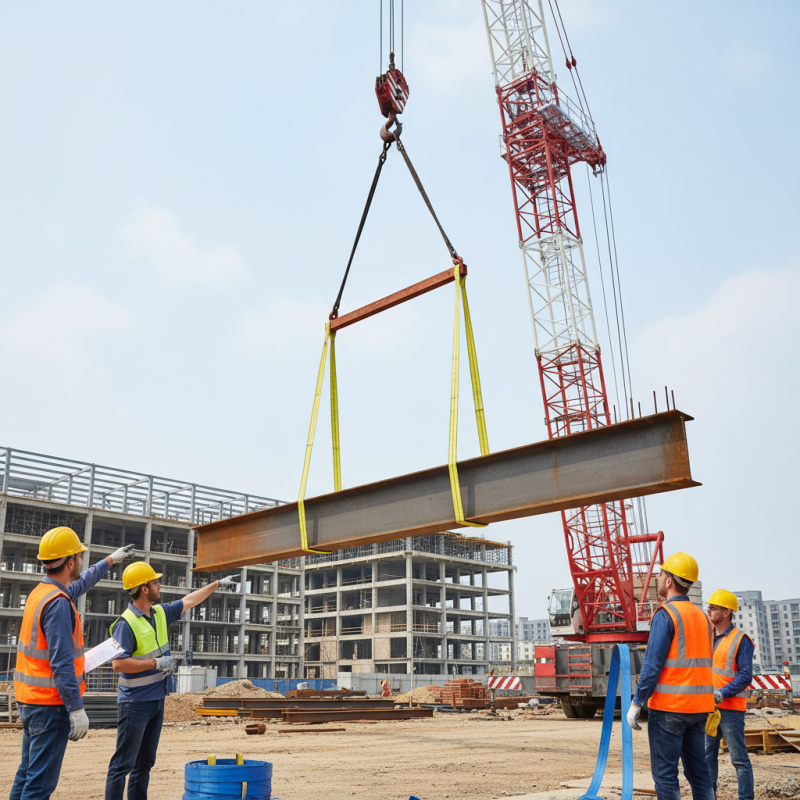
Understanding Webbing Slings: Types and Their Applications
Webbing slings are crucial tools in lifting operations. They come in various types, each suited for different applications. The most common types are flat slings, round slings, and endless slings. Flat slings offer a wide surface area, distributing weight evenly, which reduces the risk of damage to the load. Round slings are more flexible and can be used in lifting heavy or awkwardly shaped objects. Endless slings provide the versatility of being adjustable in length and can be used in various configurations.
According to industry reports, improper usage of webbing slings can lead to serious accidents. In 2022, approximately 20% of lifting-related accidents involved slings. This highlights the importance of understanding the specifications of each sling type. Always check the Working Load Limit (WLL) of your sling. Miscalculating this can create undue risk. Regular inspections are also critical. Wear and tear can compromise the integrity of slings. A recent study noted that over 30% of slings inspected had some form of damage.
Training on appropriate usage enhances safety and efficiency. Workers must be aware of potential hazards associated with slings. For example, using a sling that isn’t rated for the load can result in catastrophic failure. Continuous education and safety briefings can mitigate these risks. Understanding the specific applications of each sling type can significantly enhance overall lifting operations. It's essential to remain vigilant and reflective in practices to ensure safety in every lift.
The Importance of Weight Capacity in Lifting Operations
Understanding weight capacity is crucial for safe lifting operations. A webbing sling must support the load without risk. According to industry standards, the safe working load (SWL) of a sling is often defined by its width, material, and construction type. For instance, a polyester webbing sling can have a SWL ranging from 1 ton to over 10 tons, depending on specifications.
Every lifting operation carries inherent risks. Miscalculating weight capacity can lead to equipment failure or accidents. A report by the Occupational Safety and Health Administration (OSHA) highlights that improper lifting tools contribute to 30% of lifting-related injuries. These incidents not only affect worker safety but can also lead to costly delays.
It is essential to routinely inspect slings for wear and tear. Even minor fraying can significantly reduce the sling's capacity. Industry analyses show that maintaining slings can enhance their life cycle and safety performance. Continuous training in weight assessment and sling usage can mitigate risks and improve operational efficiency.
Best Practices for Inspecting and Maintaining Webbing Slings
Webbing slings are vital in many lifting applications. Their strength and flexibility make them popular. However, the safety and efficiency of these slings depend on regular inspection and maintenance. According to the Occupational Safety and Health Administration (OSHA), proper sling inspection reduces accidents by over 50%.
Inspecting a webbing sling involves checking for cuts, frays, and discoloration. A damaged sling can fail when lifting heavy loads. A study from the American Society of Civil Engineers states that 70% of accidents in lifting operations stem from equipment failure. Regular checks should be routine. Use a checklist that includes material integrity, wear patterns, and stitching.
Maintaining slings is equally important. Storing slings properly prevents damage. Avoid exposure to chemicals and extreme heat. Following manufacturer guidelines can prolong the life of the sling. Regular training on sling usage is essential. Often, workers overlook proper techniques, leading to misused equipment. Evaluating lifting techniques can uncover areas needing improvement.
Webbing Sling Tips for Safe and Efficient Lifting Solutions - Best Practices for Inspecting and Maintaining Webbing Slings
| Inspection Criteria | Best Practices | Maintenance Tips | Frequency of Inspection | Notes |
| Check for cuts, tears, or abrasions | Inspect before each use | Store in a dry, cool place | Monthly | Replace if damaged |
| Inspect for discoloration or fraying | Look for individual fiber breakdown | Keep away from UV light | Every 3 months | Document inspections |
| Check for chemical damage from acids/alkalis | Avoid lifting near hazardous materials | Clean with mild soap and water | After exposure to chemicals | Use compatible materials |
| Check for proper stitching and seam integrity | Ensure stitching is tight and intact | Regular visual inspections | After heavy use | Replace if seams are loose |
Techniques for Properly Using Webbing Slings Safely
Using webbing slings can enhance your lifting operations, but safety is paramount. Proper techniques are essential for preventing accidents. Always inspect slings before use. Look for fraying, tears, or any visible damage. A damaged sling is unsafe. If in doubt, do not use it.
When lifting a load, ensure the sling is positioned correctly. Angle matters; a wide angle distributes weight better and reduces stress on the sling. Remember, a sling should never exceed its rated capacity. Overloading can lead to failure. Always reference the manufacturer's guidelines for safe limits.
Consider the environment as well. Test the terrain for stability. Slings can slip on uneven surfaces. Take precautions to secure your load properly. Using a secure knot can help prevent shifting. Yet, even knots can fail if not tied correctly. Training in proper knot techniques is invaluable. Understanding these elements fosters a safer workplace. Being aware is a strength. Safety should always come first in lifting solutions.
Common Mistakes to Avoid When Using Webbing Slings
When using webbing slings, proper handling is crucial. Many operators underestimate the importance of inspecting slings before use. Inspectors should look for signs of wear, fraying, or cuts. It might seem tedious, but a thorough examination can prevent accidents. A damaged sling can lead to catastrophic failures during lifting, putting lives at risk.
Another common mistake is improper loading. It can be tempting to overload a sling, especially when time is tight. However, every sling has a working load limit. Ignoring this can result in sling breakage or load shifting. Additionally, using the wrong type of hitch can compromise load stability. Each hitch has its strengths and weaknesses. Operators must choose wisely for safe operation.
Lastly, neglecting to train staff can lead to dangerous scenarios. Experience alone isn't enough; formal training is essential. It may feel redundant, but understanding the nuances of sling usage can save lives. Continuous education and practice create a safer work environment. Reflecting on these points is vital for improving safety protocols.