How to Use Aerogel Blanket for Insulation and Energy Efficiency?
Aerogel Blanket has emerged as a revolutionary material for insulation and energy efficiency. This unique substance is incredibly light yet highly effective. Its porous structure traps air, which minimizes heat transfer. As a result, it maintains consistent temperatures in various environments.
Using Aerogel Blanket offers numerous benefits. It is perfect for both residential and commercial applications. Imagine wrapping your home in a material that drastically reduces energy bills. However, the installation process can be tricky for beginners. It requires careful handling and precise measurements to achieve optimal results.
There is a learning curve involved in fully harnessing the potential of Aerogel Blanket. Mistakes can lead to air gaps that compromise insulation efficiency. Understanding the material and its properties is crucial for success. Overall, Aerogel Blanket is a remarkable solution that can enhance energy efficiency when used correctly. By exploring its applications, we can create more sustainable living spaces.
Understanding Aerogel Blankets and Their Properties
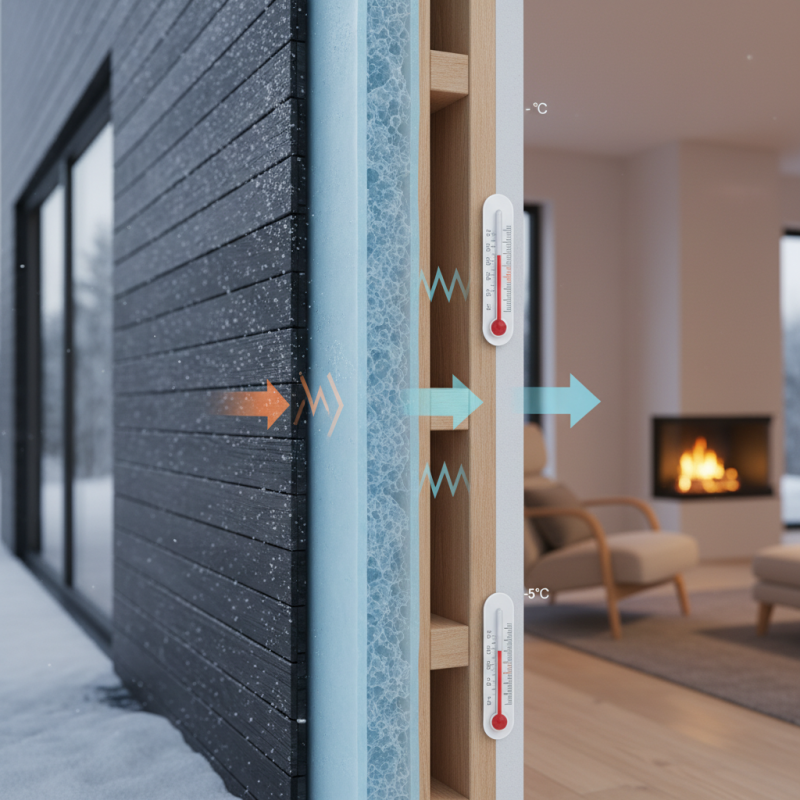
Aerogel blankets are groundbreaking materials known for their exceptional insulation properties. These blankets, composed primarily of silica, boast a low thermal conductivity of around 0.013 W/m·K. This figure is significantly lower than traditional insulation materials. Their lightweight structure makes them ideal for various applications, particularly in energy-efficient buildings.
The unique properties of aerogel blankets allow them to provide superior insulation while occupying minimal space. Reports indicate that buildings using these blankets can experience energy savings of up to 30%. However, potential issues may arise regarding the installation process. Improper handling can lead to damage, which diminishes their effectiveness.
In some cases, the initial investment can be perceived as high. Not every project may justify the cost, despite the long-term savings they offer. Balancing the initial expense with future energy efficiency is crucial. As with any material, understanding the limitations and potential downsides is essential for effective use.
Benefits of Using Aerogel Blankets for Insulation
Aerogel blankets are revolutionizing insulation in various applications. Their lightweight and flexible nature makes them easy to handle. These blankets offer significant thermal resistance, which is essential for energy efficiency. They can reduce heat loss in buildings, keeping environments comfortable year-round. Additionally, they are highly effective in extreme conditions, making them ideal for both industrial and residential use.
One major benefit is their low density. This feature allows for easy installation and processing. The blankets can conform to different shapes and surfaces, minimizing gaps. This is crucial for ensuring optimal performance. However, users must take care during installation. Improper handling can lead to reduced insulation effectiveness.
Aerogel blankets also provide excellent fire resistance. They can withstand high temperatures without compromising their structure. This quality is essential for safety in many applications. However, it’s crucial to ensure the correct specifications are met for fire performance. Continuous improvement is needed in this area. Exploring new materials and technologies may enhance their efficiency further.
Installation Techniques for Aerogel Blankets in Various Settings
Aerogel blankets are emerging as a reliable solution for insulation in various settings. When installed correctly, they significantly improve energy efficiency. In residential applications, studies have shown that using aerogel blankets can reduce heat loss by 30% to 50%. This high performance stems from their unique structure, which traps air in tiny pores.
For industrial settings, installation requires careful consideration. One effective technique involves layering the aerogel blanket over existing insulation. This process enhances overall thermal performance. It's essential to ensure a tight seal, as gaps can diminish effectiveness. Reports indicate that improper installation can lead to a startling 20% drop in energy efficiency.
While aerogel blankets offer impressive insulation properties, there are challenges. The high cost of materials can deter some users. Additionally, the fragility of the blankets may lead to installation difficulties. It's crucial for users to weigh the advantages against these concerns. Proper training and awareness can help tackle these issues.
Maintenance and Care for Aerogel Insulation Solutions
Aerogel insulation is known for its exceptional thermal performance. However, maintaining these solutions is crucial to ensuring their longevity and effectiveness. Regular inspections are needed to identify any wear and tear. The National Research Council reports that proper maintenance can enhance energy efficiency by up to 30%. This fraction is significant when considering energy costs over time.
Cleaning aerogel blankets requires care. Avoid using harsh chemicals that can degrade the material. Lightweight yet fragile, aerogels can be easily damaged if not handled correctly. A soft brush or a vacuum with a gentle attachment works best for dust removal. Users should also store them in dry environments. Moisture can compromise their insulating properties.
In addition, monitoring temperature and humidity levels can prevent potential issues. A study from the Department of Energy highlights that maintaining an ideal environment helps preserve aerogel efficiency. These measures can seem tedious, yet overlooking them might lead to decreased performance and increased energy consumption. Regular care is not just a task; it's essential for sustainability.
Comparing Aerogel Blankets with Traditional Insulation Materials
Aerogel blankets are rapidly gaining attention as an alternative to traditional insulation materials. A recent report from the Department of Energy highlighted that aerogel insulation can achieve thermal conductivity as low as 0.013 W/m·K. In contrast, conventional fiberglass insulation typically ranges between 0.032 to 0.040 W/m·K. This significant difference in thermal performance can lead to enhanced energy efficiency in residential and commercial buildings.
Additionally, aerogel blankets are much lighter than traditional options. Weighing only a fraction of fiberglass or foam, these blankets are easier to handle and install. However, there are challenges. The cost of aerogel materials can be prohibitive, potentially deterring builders and contractors from making the switch. A report from the National Renewable Energy Laboratory pointed out that while the initial investment is higher, the long-term energy savings could offset the expense, with estimates suggesting reductions in energy costs by 30% over time.
Another factor to consider is moisture management. Traditional insulation often deals with water absorption, which can lead to mold and degradation. Aerogel blankets, on the other hand, are hydrophobic and resist moisture. However, they may not be suitable for all environments. In humid climates, further research is needed to address performance issues. Balancing these advantages and drawbacks is essential for making informed insulation choices.
How to Use Aerogel Blanket for Insulation and Energy Efficiency? - Comparing Aerogel Blankets with Traditional Insulation Materials
| Insulation Material | R-Value (per inch) | Thickness (inches) | Thermal Conductivity (W/m·K) | Moisture Resistance | Weight (lbs/ft²) |
| Aerogel Blanket | 10 - 30 | 0.5 | 0.013 | Excellent | 0.5 - 1 |
| Fiberglass Insulation | 2.9 - 4.3 | 3 - 6 | 0.035 | Moderate | 1.5 - 3 |
| Foam Board Insulation | 3.6 - 6.5 | 1 - 3 | 0.020 - 0.030 | Good | 2 - 4 |
| Cellulose Insulation | 3.1 - 3.8 | 3 - 6 | 0.040 | Moderate | 2 - 3 |