Top 10 Uses of Tungsten Heavy Alloy Sheets for Global Buyers?
Tungsten Heavy Alloy Sheets are increasingly recognized for their unique properties and versatile applications across various industries. Reports indicate that the global tungsten market is projected to reach USD 2.7 billion by 2026, with substantial growth attributed to the demand for these heavy alloy sheets. Their high density and excellent strength make them ideal for applications in aerospace, defense, and medical sectors.
In the aerospace industry, these sheets are used for counterweights and ballast due to their ability to withstand extreme conditions. The defense sector employs Tungsten Heavy Alloy Sheets for armor-piercing projectiles, enhancing their effectiveness and reliability. Furthermore, in the medical field, these materials contribute to radiation shielding, ensuring safety and precision during treatments. Despite their advantages, challenges exist, such as the need for precise fabrication techniques.
As industries evolve, the potential for Tungsten Heavy Alloy Sheets continues to expand. Stakeholders must stay informed about the latest developments and best practices. This includes understanding variations in material properties that can affect performance in specific applications. Emphasizing continuous improvement and research will ensure that these valuable materials meet future needs.
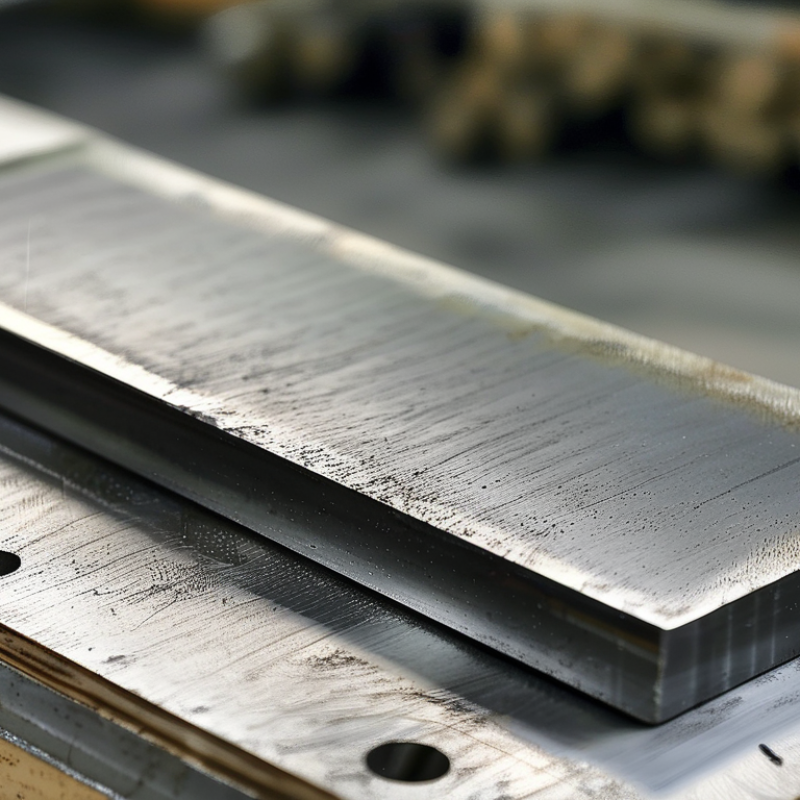
Applications of Tungsten Heavy Alloy Sheets in Aerospace Industry
Tungsten heavy alloy sheets play a crucial role in the aerospace industry. These sheets are favored for their density and strength. Due to their high melting point, they can withstand extreme conditions. This makes them ideal for components that face high stress and heat during flight.
In aircraft manufacturing, tungsten heavy alloys are often used in counterweights and balance weights. Their weight-to-strength ratio is unmatched. This allows for more efficient designs without compromising safety. Additionally, these alloys are used in radiation shielding for sensitive equipment. Protection against harmful radiation is imperative in aerospace applications.
While tungsten heavy alloys present many advantages, manufacturers must consider the challenges of machining. The hardness of tungsten can lead to tool wear. This aspect requires careful planning and skilled labor. Ensuring quality control is essential during production, which can be resource-intensive. Finding a balance between cost and performance remains an ongoing concern for many in the industry.
Top 10 Uses of Tungsten Heavy Alloy Sheets in Aerospace Industry
| Use | Description | Benefits |
| Counterweights | Used in aircraft and spacecraft to balance loads. | Increases stability and fuel efficiency. |
| Radiation Shielding | Protects sensitive electronics from radiation. | Enhances longevity and reliability of equipment. |
| Precision Parts | Manufactured for high-precision aerospace components. | Improves performance and accuracy in operations. |
| Ballast | Helps control weight distribution in flight vehicles. | Prevents unwanted maneuvers during flight. |
| Electrical Contacts | Conducts electricity in various aerospace applications. | Ensures reliable electrical connections. |
| Heat Sinks | Dissipates heat in aerospace electronics. | Maintains optimal operating temperatures. |
| Landing Gear | Used in reinforcement and for high-stress areas. | Enhances durability and safety during landings. |
| Damping Applications | Reduces vibrations in aircraft structures. | Improves comfort and structural integrity. |
| Machining Tools | Utilized for cutting and shaping aerospace materials. | Offers high wear resistance and precision. |
| Prototype Development | Used in creating prototypes for testing. | Facilitates innovation and design iterations. |
Use of Tungsten Heavy Alloy Sheets in Medical Radiation Shielding
Tungsten heavy alloy sheets play a crucial role in medical radiation shielding. These alloys, owing to their high density, effectively absorb harmful radiation. Medical facilities often use these sheets in X-ray and radiation therapy rooms to protect staff and patients. According to a report by the International Journal of Radiation Biology, tungsten's shielding effectiveness is approximately 40% greater than that of lead.
The use of tungsten heavy alloy sheets is vital in cancer treatment facilities. As more patients undergo radiotherapy, safety protocols evolve. Tungsten alloys provide robust protection without the health risks associated with lead. This is crucial in maintaining a safe treatment environment. However, the cost of tungsten can be a limitation for some facilities. They need to balance budget constraints with the necessity of effective shielding.
In addition to shielding, tungsten heavy alloys can be precisely machined. This allows for customized solutions that meet specific medical needs. However, sourcing high-quality tungsten may present challenges, impacting production times. Facilities must remain aware of supply chain dynamics. Thus, while the advantages of tungsten heavy alloy sheets are clear, ongoing reflection on cost and availability is needed.
Tungsten Heavy Alloy Sheets for Defense and Military Applications
Tungsten heavy alloy sheets play a crucial role in defense and military applications. Their high density and strength make them ideal for kinetic energy penetrators. According to industry data, these alloys usually contain around 90% tungsten, which provides superior ballistic performance. The U.S. Army has been exploring advanced materials for armor solutions, showing increasing reliance on tungsten-heavy alloys in their arsenal.
In addition to armor-piercing projectiles, these alloy sheets find usage in counterweights and radiation shielding. Given their heavy weight, they offer effective shielding for sensitive equipment. As military operations become more sophisticated, the demand for reliable materials is rising. A recent market report indicates that the global tungsten heavy alloy market is expected to grow at a CAGR of 7% through 2030.
Challenges persist, particularly in sourcing materials sustainably and ensuring the alloys can withstand extreme conditions. Not every supplier meets rigorous military standards. That inconsistency can lead to vulnerabilities in high-stakes environments. Ongoing research is essential to develop even stronger composites capable of withstanding modern combat scenarios. Continuous innovation within this sector can potentially change the dynamics of military material procurement.
Utilization of Tungsten Heavy Alloy Sheets in Manufacturing and Engineering
Tungsten heavy alloy sheets play a pivotal role in various manufacturing and engineering sectors. Their high density and durability make them ideal for applications requiring resistance to wear and deformation. These sheets are often utilized in the production of radiation shielding components. They effectively block X-rays and gamma rays, protecting both workers and patients in medical environments.
The aerospace and automotive industries also benefit from tungsten heavy alloy sheets. Components like counterweights and ballast require robust materials to withstand extreme conditions. Engineers appreciate the alloy's ability to maintain performance under high stress. However, working with tungsten requires careful handling due to its density. It is essential to assess the machining tools and processes to ensure efficiency.
Moreover, tungsten's unique properties lead to some challenges. For instance, its brittleness can complicate fabrication. Engineers must balance the benefits with the material’s limitations. Collaboration with specialized manufacturers helps mitigate these issues. Finding the right partner can enhance project outcomes significantly. Understanding these aspects is crucial for successful implementation.
Innovative Uses of Tungsten Heavy Alloy Sheets in Nuclear Energy Sector
Tungsten heavy alloy sheets are gaining traction in the nuclear energy sector due to their unique properties. Their high density and strong shielding capabilities make them ideal for constructing radiation protection barriers. Engineers often choose these alloys for their robustness and ability to withstand extreme conditions. The need for effective radiation shielding in nuclear reactors cannot be overstated.
However, it's important to acknowledge that while tungsten heavy alloys are effective, they can also present challenges during fabrication. The machining process is complex and requires specialized equipment. Inadequate preparation can lead to defects that compromise integrity. Each project demands careful planning and precision.
Tip: When working with tungsten materials, invest in quality tools. This can prevent issues during machining.
Moreover, the weight of tungsten heavy alloys can lead to increased structural load in nuclear plants. This necessitates thorough analysis during the design phase. Engineers must balance material properties with structural demands. Optimizing the design can lead to safer and more efficient outcomes.
Tip: Always consult with experienced engineers during the design stage. Their insights can reveal potential pitfalls.