Top 10 Benefits of Using a Cast Iron Casserole?
The cast iron casserole has gained significant popularity in home cooking. This versatile kitchen tool offers numerous advantages that can transform meal preparation. According to recent market research, the global cast iron cookware market is expected to reach $2 billion by 2025, reflecting a growing trend towards durable and eco-friendly cooking solutions.
Using a cast iron casserole allows for superior heat retention. This means that dishes cook evenly and remain warm for longer periods. Additionally, cooking with cast iron is associated with trace amounts of iron leaching into food, potentially aiding in iron intake for those with deficiencies. However, some users may struggle with the care required for maintaining cast iron. It's essential to season and clean it properly to prevent rusting.
Moreover, cast iron is known for its longevity. Investing in a quality cast iron casserole can yield years of service. However, not everyone finds the weight of cast iron manageable. We must also consider that some recipes may not be suitable for this type of cooking. Reflecting on these aspects can help potential users make more informed choices in the kitchen.
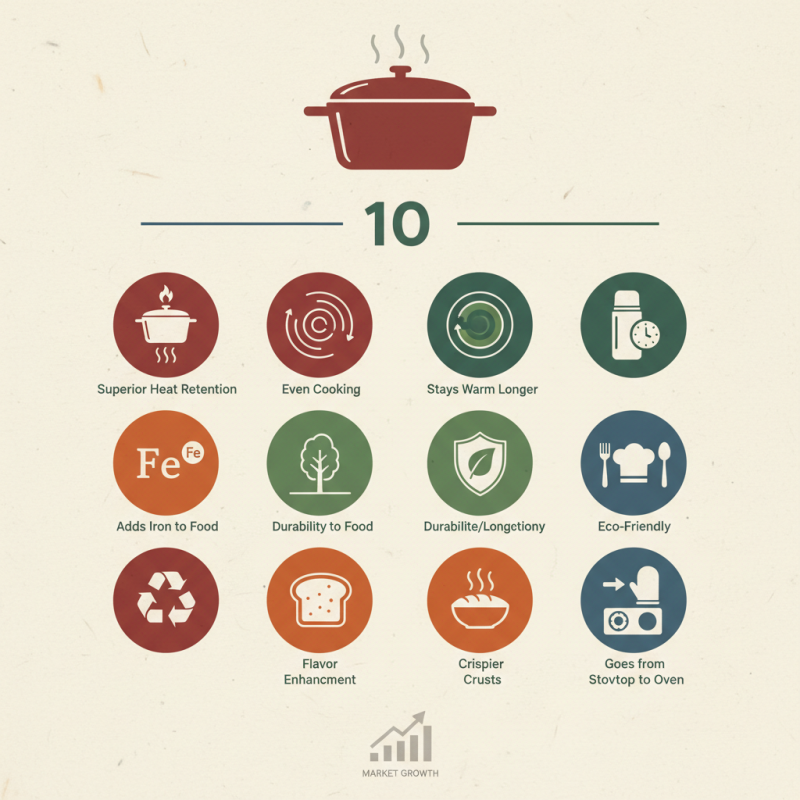
Benefits of Cast Iron Casseroles: An Overview of Durability and Longevity
Cast iron casseroles are renowned for their durability and longevity. They withstand the test of time, often lasting for generations. A well-cared-for cast iron piece can be passed down as a family heirloom. Its rugged surface can handle high heat, making it perfect for both stovetop and oven use. Many users appreciate this versatility in their kitchen.
Cleaning cast iron, however, requires some thought. You can't just toss it into the dishwasher. Maintaining the seasoning is important too. A layer of oil protects the surface. It can be tedious, but the payoff is worth it. Over time, as you cook with it, the surface becomes more non-stick. You might notice an improvement in the flavors of your dishes.
Cast iron has an attractive rustic appeal, enhancing your kitchen's aesthetic. It might feel heavy at first, but you get used to it. Some individuals find it cumbersome, especially when full. This can lead to accidents if you're not careful. Ultimately, the benefits do outweigh the challenges. The key is to embrace the care and attention cast iron requires. In return, you gain a reliable kitchen companion.
Top 10 Benefits of Using a Cast Iron Casserole
| Benefit | Description |
| Durability | Cast iron casseroles can last for generations with proper care, resisting wear and tear. |
| Even Heat Distribution | These pots provide even heat distribution, improving cooking results. |
| Versatility | Suitable for stovetop, oven, and even outdoor cooking techniques. |
| Health Benefits | Cooking with cast iron can increase the iron content in food, beneficial for health. |
| Non-stick Cooking Surface | When seasoned properly, cast iron offers a natural non-stick surface. |
| Enhances Flavors | The seasoning and cooking surface improve the flavor of dishes over time. |
| Easy Maintenance | With simple cleaning and seasoning, maintenance is minimal. |
| Cost-effective | High durability means they are a great investment for your kitchen. |
| Eco-friendly | Cast iron is recyclable and reduces the need for disposable cookware. |
Heat Retention and Distribution: How Cast Iron Improves Cooking Efficiency
Cast iron casseroles are known for their impressive heat retention and distribution. When you heat a cast iron pot, it warms evenly and holds that heat well. This means food cooks thoroughly, with no cold spots. You can simmer soups or braise meats effectively. The consistency helps you achieve delicious, tender dishes.
Another benefit lies in its ability to maintain temperature. Once preheated, a cast iron casserole keeps meals warm for an extended period. This is especially useful for gatherings or family meals. However, one must be cautious; if left unattended, food can overcook. The slow and steady cooking method can lead to a crusty bottom if not monitored closely.
Moreover, the weight of cast iron adds an interesting dynamic. While it may be cumbersome, it creates a sense of stability on the stovetop. You might accidentally drop it, leaving a dent in your counter. It’s a reminder to handle it with care and respect. Ultimately, the charm of cast iron is in its imperfections and the stories it collects over time. Cooking with it invites reflection on tradition and the effort invested in each meal.
Top 10 Benefits of Using a Cast Iron Casserole
Health Benefits: Iron Leaching and Nutrient Enhancement in Cooking
Cooking with cast iron casserole dishes offers unique health benefits. One notable advantage is iron leaching. When food is prepared in a cast iron casserole, trace amounts of iron can transfer into the meal. This is especially beneficial for those who have low iron levels. Foods such as tomato sauce or stews can absorb more iron during cooking. This tiny boost can contribute positively to daily iron intake.
Nutrient enhancement is another significant aspect. Cast iron can enhance the bioavailability of certain nutrients. For example, cooking vegetables in cast iron allows for better iron absorption from plant sources. This is especially valuable for vegetarians or those who don’t consume many animal products. However, not every dish may benefit equally. Acidic foods can react differently, resulting in off-flavors or discoloration. Careful selection of recipes can help maximize the benefits.
Maintaining cast iron requires effort. Seasoning the pan properly ensures a non-stick surface. Yet, improper maintenance can lead to rust and deterioration. The learning curve may be steep for beginners. It’s crucial to understand how to care for your cookware for it to remain a health asset. Each meal prepared in a cast iron casserole can be a step towards a more nutritious diet, but it requires mindfulness and dedication.
Versatility in Cooking: From Stovetop to Oven and Beyond
When it comes to versatility in cooking, a cast iron casserole stands out. These sturdy pots transition seamlessly from the stovetop to the oven. Imagine browning meat over high heat, then sliding it into the oven for a slow roast. The beauty lies in its ability to retain heat evenly. As a result, dishes cook thoroughly.
You can also bake bread or casseroles in these versatile cookware pieces. Picture a crusty loaf rising beautifully, adding a comforting aroma to your kitchen. Yet, there's a learning curve. It requires a bit of care to maintain the seasoning and avoid rust. Can you remember the last time a dish didn’t turn out quite right? That’s part of the adventure in using cast iron.
Cleaning can also be a challenge. It’s not as simple as tossing it in the dishwasher. A bit of scrubbing is essential. Plus, overheating it can lead to food sticking. But this challenges cooks to be mindful of their techniques. The imperfections in the process only enhance the overall experience. A cast iron casserole is more than just a cooking tool; it’s an invitation to explore culinary creativity.
Cost-Effectiveness: Analyzing the Long-Term Value of Cast Iron Cookware
When considering cookware, cast iron stands out for its longevity. A study from the Culinary Institute reveals that cast iron cookware can last a lifetime with proper care. This durability translates into significant cost savings over time. While the initial investment may seem high, the long-term value is undeniable.
One must remember, though, that cast iron requires maintenance. Regular seasoning is essential to prevent rust. According to the American Institute for Cancer Research, proper seasoning can enhance non-stick properties, making cooking easier. So, while you spend time maintaining your cookware, you also invest in your health.
Surprisingly, cast iron distributes heat evenly. This efficiency can lead to reduced energy costs during cooking. The U.S. Department of Energy noted that efficient cooking methods can lower energy bills by up to 10%. In this way, the appeal of cast iron goes beyond its price. However, people often underestimate the learning curve associated with using cast iron. It takes time to master the art of cooking with it. But the rewards can be plentiful.