

- 713.590.1312
- sale@pandbtools.com
2026 Top Agricultural Track Types for Global Buyers
Choosing the right Agricultural Track in 2026 requires more than comparing prices or tread patterns. Global buyers face different soils, climates, farm sizes, and transport conditions. A rubber track that performs well in wet rice fields may struggle on rocky ground. Steel tracks can provide stronger traction, but they may increase soil pressure and maintenance demands.
This guide examines the leading agricultural track types for tractors, harvesters, and specialized farm equipment. It considers traction, flotation, durability, fuel efficiency, operator comfort, and replacement availability. Field experience matters here. Mud packed around a narrow tread, for example, can stop work before noon. A wider track may reduce rutting, yet it may not suit every machine frame or road route.
There is no universal winner. That is easy to forget. Recommendations should be checked against manufacturer specifications, real field tests, and local service support. Buyers should review load ratings, rubber compounds, steel quality, warranty terms, and installation procedures. Independent testing and transparent product records can strengthen purchasing decisions. Still, published data is sometimes incomplete or difficult to compare across regions. That weakness deserves attention.
The following overview helps distributors, contractors, and farm owners compare practical options with greater confidence. It highlights where each track type works best and where it may disappoint. Soil conditions, seasonal rainfall, crop spacing, and operating speed can change the result. Reliable selection begins with these details, not with a catalog image.
What Agricultural Track Types Are and How They Work
2026 Top Agricultural Track Types for Global Buyers
What Agricultural Track Types Are and How They Work
Agricultural tracks are continuous belts that replace conventional wheels on tractors, harvesters, and field carriers. They spread machine weight across a larger ground area. This reduces soil pressure and helps equipment move through wet or loose fields.
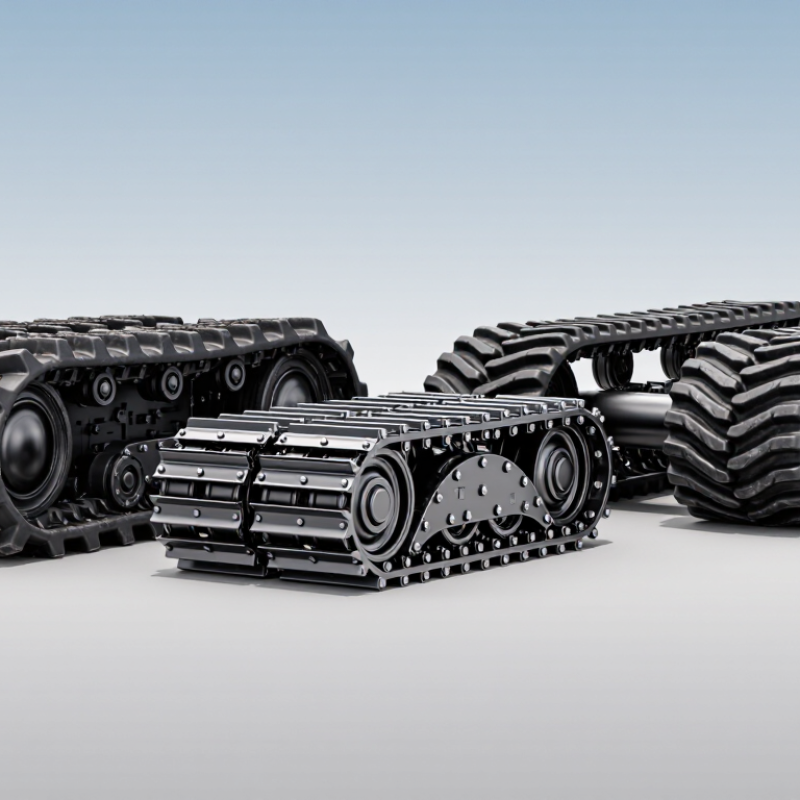
Rubber tracks are common for mixed farm work. They offer a smoother ride and protect paved farm roads. Their flexible tread grips soil while internal steel cords support heavy loads. Steel tracks suit demanding work on rocky ground. They resist sharp impacts, but they can increase vibration and surface damage. Hybrid systems combine durable track sections with rubber contact areas. They try to balance traction, comfort, and operating cost.
Track patterns also matter. Open lugs clear mud quickly, while closely spaced lugs can improve stability on firm soil. Wider tracks usually reduce rut depth, although they may require more power during turning. Narrow tracks fit between crop rows and reduce plant contact. Track tension must stay within the equipment maker’s working range. Too little tension can cause derailment. Too much tension may accelerate wear.
In field inspections, operators should check tread cracks, lug loss, alignment, and uneven wear. A simple pressure check is useful. It is not enough. Soil type, load, speed, and seasonal moisture all change track performance. Buyers sometimes choose the widest option automatically, but that decision can be imperfect. A practical selection compares field conditions, transport needs, maintenance access, and total service life.

Main Agricultural Track Types Used in Modern Farming
2026 Top Agricultural Track Types for Global Buyers
Modern farming uses several agricultural track types, each suited to different soil, crops, and operating demands. Rubber crawler tracks distribute machine weight across a wider contact area. They reduce soil compaction during planting and harvesting. Their flexible surface also protects paved farm roads. However, rubber can wear quickly on sharp stones or abrasive ground.
Steel tracks deliver strong traction in wet clay, steep fields, and heavy tillage work. Their open tread pattern can shed mud when conditions become difficult. They are durable, but their weight may increase fuel use and surface disturbance. Farmers should check local soil behavior rather than rely on appearance alone.
Conversion track systems replace standard wheels with tracked units on tractors, sprayers, or harvesters. They offer a practical balance between flotation, stability, and seasonal flexibility. Full-track undercarriages suit machines that work long hours under high loads. Compact track systems can help smaller equipment enter narrow rows without damaging crops. Track width, tread design, suspension, and maintenance access all affect real performance. A wider track is not always better. It may improve flotation but reduce maneuverability between rows. In my experience, neglected tension checks create avoidable failures. Operators should inspect alignment, rollers, drive lugs, and rubber condition before busy fieldwork. The choice is rarely perfect. A reliable comparison should include purchase cost, field efficiency, repair skills, transport limits, and expected annual hours. Conditions change faster than product brochures suggest.
How Track Designs Match Different Terrains and Farm Tasks
2026 Top Agricultural Track Types for Global Buyers
Track design should follow terrain, not fashion. On wet clay, full rubber tracks spread machine weight across a wider footprint. They reduce rutting and maintain traction during planting or harvesting.
FAO AQUASTAT reports that agriculture uses about 70% of global freshwater withdrawals. That figure highlights the importance of reliable field access near irrigation zones.
Yet rubber tracks can suffer faster wear on rocky headlands. Buyers should inspect sidewall protection and replacement costs.
Steel tracks Steel tracks suit steep, abrasive ground and heavy land preparation. Their stronger grousers grip loose soil, but they may damage delicate surfaces.
Narrow tracks Narrow tracks fit vineyards and row crops, where spacing is limited. Half-track systems offer a compromise between road travel and field flotation.
The best choice depends on soil moisture, slope, turning frequency, and transport distance.
OECD-FAO Agricultural Outlook 2024-2033 projects global agricultural production growth of about 1.1% annually. More output may increase demand for machines that work longer in shorter field windows.
Still, bigger is not always better. Oversized tracks can compact soil beneath their centerline. Buyers should compare ground pressure data, not only horsepower.
A practical field trial after rain often reveals more than a showroom inspection.
Key Factors for Comparing Agricultural Tracks Globally
Global agricultural buyers should compare track systems by field conditions, not by advertised pulling power. Full rubber tracks suit row crops and road transfers, offering lower vibration and easier turning. Steel tracks remain valuable in wet, abrasive, or heavily compacted ground. Rubber-over-steel designs sit between them, balancing durability with flotation. Soil is the judge.
The OECD-FAO Agricultural Outlook 2024-2033 projects global agricultural and fish production to grow about 1.1% annually, increasing pressure on timely field operations. Meanwhile, the FAO Statistical Yearbook 2024 records roughly 4.8 billion hectares of agricultural land worldwide. These figures show why one track specification cannot fit every market. Buyers should compare ground pressure, contact area, tread durability, transport speed, turning damage, and replacement access. A wider rubber track may reduce rutting, but it can increase operating cost and complicate roadside movement. Steel tracks can deliver strong traction, yet they may damage sensitive soil or paved surfaces.
Field trials matter more than brochures. Measure slip on slopes, rut depth after repeated passes, fuel use, and operator vibration. Include wet-season performance. Too many evaluations test dry soil only. That is a serious weakness. Local agronomists, machinery technicians, and independent testing centers can validate claims against regional soil data. FAO land-use statistics provide useful context, but they do not replace field measurements. A reliable 2026 purchasing decision should score performance, serviceability, lifecycle cost, and soil risk together.
How Buyers Can Select the Right Agricultural Track Type
Selecting an agricultural track type should begin with field conditions, not catalog popularity. Measure soil moisture, slope, row spacing, and average payload during peak work. Rubber tracks suit many row-crop operations because they reduce surface pressure and vibration. Steel tracks can provide stronger grip on rough, stony ground. Hybrid systems may balance traction and road comfort, but their cost and service needs require closer review. No track type wins everywhere.
Match track width to the crop layout and turning space. A track that is too wide may damage plants or restrict access between rows. A narrow track can sink in wet soil and increase fuel demand. Ask for verified load ratings, tread dimensions, operating speeds, and expected service hours. Request test data under conditions similar to yours. Photos are useful, but measured results are better. This is where many buying decisions become less certain.
Inspect the undercarriage, tensioning method, replacement process, and local technical support before purchasing. Check how mud leaves the tread after repeated passes. It matters. Compare total operating cost, not only the initial price. Include downtime, transport limits, seasonal storage, and spare-part availability. I would also test one unit during a difficult field week. One trial cannot prove everything, but ignoring real soil conditions is a costly weakness. Reassess the choice after the first season.
2026 Top Agricultural Track Types for Global Buyers
How Buyers Can Select the Right Agricultural Track Type
The chart compares representative ground-pressure levels for common agricultural track configurations. Lower ground pressure generally helps reduce soil compaction and improve flotation in wet or soft fields, while steel tracks can provide strong durability and traction in demanding conditions. Actual performance varies with machine weight, ballast, track width, soil moisture, and operating speed.