Essential Tips for Choosing Auto Parts Bearings Wisely?
Choosing the right Auto Parts Bearings is crucial for vehicle performance. These components play a significant role in ensuring smooth operation. With various options available, making the right choice can be challenging.
When selecting auto parts bearings, consider factors like quality and compatibility. Poor choices may lead to costly repairs or safety issues. It's essential to research before making a decision. Look for reviews and manufacturer reputations.
Many overlook the importance of precision in bearings. A small misalignment can cause significant problems down the road. Remember, your vehicle deserves the best. Take your time to evaluate all options carefully. The right auto parts bearings can enhance your driving experience.
Understanding the Different Types of Auto Parts Bearings
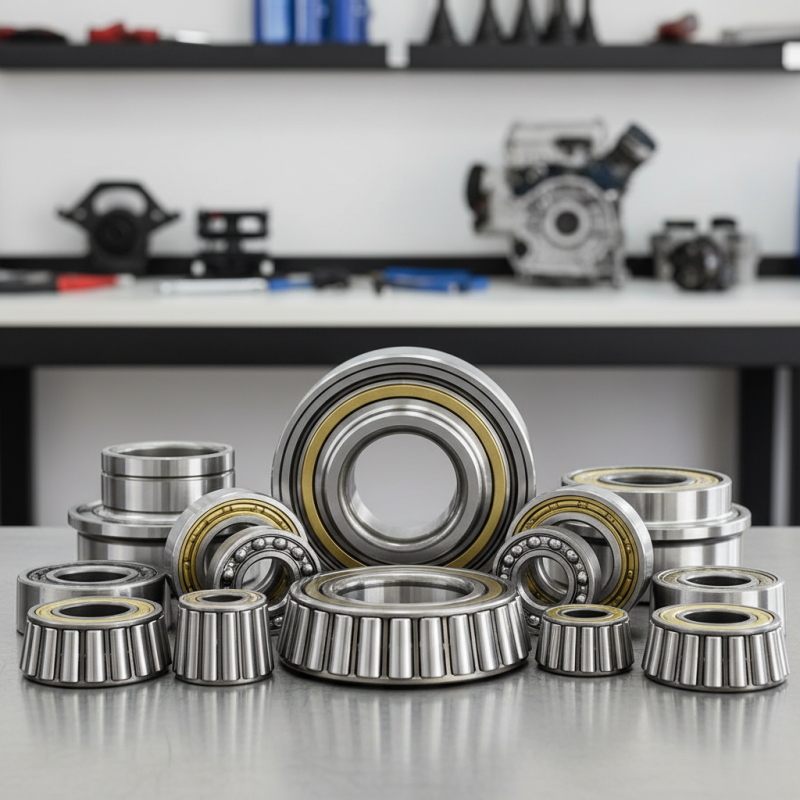
Choosing the right bearings for auto parts is crucial. There are various types to consider. Each type has its own characteristics and applications. Deep groove Ball Bearings are the most common. They are versatile and can handle both radial and axial loads. This makes them a popular choice in many vehicles.
Another type is the tapered roller bearing. These bearings can support heavy loads and offer a high level of stability. They're often used in wheel hubs and other critical areas. Spherical roller bearings, on the other hand, are designed for misalignment. They can tolerate some imperfections in installation. This can be a relief if precision isn't perfect.
It’s easy to overlook the type of bearing chosen. Not all parts require the same specifications. Sometimes, users might not realize the impact of their choice. A wrong selection can lead to premature wear or failure. Always consider the intended application and loads. Think carefully about your decisions. Understanding these details can save time and money in the long run.
Essential Tips for Choosing Auto Parts Bearings Wisely
Key Factors to Consider When Choosing Auto Bearings
When choosing auto bearings, several key factors come into play. Material quality is crucial. Bearings made from high-grade steel tend to last longer. However, some options may be less durable, requiring frequent replacements. This can lead to increased costs over time. Understand the properties of different materials before making a decision.
Size is another important aspect. A proper fit is essential for efficiency. Too loose, and the bearings may wear quickly. Too tight, and they could seize up. It often helps to consult a manual or trusted sources for specifications. While many auto parts stores provide sizing assistance, mistakes can still happen. Comparing measurements can save time and prevent headaches.
Lastly, consider the application of the bearings. Different vehicles and driving conditions may require specific types. For instance, off-road cars may need robust bearings to handle rough terrain. Regular vehicles may not demand such strength. Ignoring the application could lead to poor performance. Reflect on your vehicle’s needs carefully to avoid costly missteps.
Material Selection: How It Affects Bearing Performance
Choosing the right material for auto parts bearings is crucial. Materials can determine the longevity and effectiveness of your bearings. For example, steel bearings are strong and durable. They resist wear and tear well. However, they may rust if not properly maintained. Choosing stainless steel can help reduce this issue, but it often comes at a higher cost.
On the other hand, plastic bearings can be lighter and resistant to corrosion. They are also quieter, but might not handle heavy loads as well as metal options. When selecting a material, consider the specific environment and usage. Are you running in harsh conditions? Maybe ensure enough strength is crucial. Keep in mind, there are no perfect choices. Each material has its strengths and weaknesses.
In some cases, a mix of materials could provide the best solution. However, this might complicate assembly and repair processes. It’s essential to weigh these factors carefully. Balancing cost with performance can lead to better decisions. Ultimately, understanding material properties is key. Making an informed choice can enhance the longevity of your bearings.
Compatibility: Ensuring Proper Fit with Your Vehicle
Choosing the right bearings for your vehicle is crucial. Compatibility ensures a proper fit and optimal performance. Start by identifying your vehicle’s specifications. Check your owner’s manual for precise details. You must know the correct size and type of bearings required. Mismatched parts can lead to serious issues.
When selecting bearings, consider quality over price. Cheaper options may tempt you, but they can end in costly repairs. Focus on reputable sources and read reviews. Look for features like durability and load capacity. These aspects often indicate reliability and longevity.
Do not rush the selection process. Take your time to compare different options. Sometimes, parts that seem compatible may not perform well together. Make sure to double-check everything. Putting your trust in the right components is essential for vehicle safety and performance. Every detail matters in this process.
Maintenance Tips for Prolonging Bearing Lifespan
Proper maintenance of auto parts bearings can significantly extend their lifespan. Regular inspections are crucial. Industry reports suggest that routine checks can reduce premature failures by up to 30%. Pay attention to any signs of wear, such as noise or vibration. These symptoms often indicate a deeper issue that needs addressing.
Lubrication plays a vital role in the health of auto bearings. Correct lubricants reduce friction and heat, which can lead to wear. However, many people over-lubricate without understanding the specifics. This can cause grease to leak and attract dirt, ultimately harming the bearings. Always follow the manufacturer's recommendations for lubrication intervals and amounts.
Temperature management is another critical aspect. Bearings operate best within a specific temperature range. Exceeding this range can lead to thermal expansion, causing misalignment. Aim to keep operating temperatures in check. Consider using thermal monitoring tools. They can alert you before an issue becomes severe. Neglecting these details might shortchange your investments in parts. Small lapses can lead to larger problems over time.