What is an RFID Card and How Does It Work?
An RFID Card is an essential technology in today's fast-paced world. These cards use radio-frequency identification (RFID) to transmit data. They are commonly seen in various applications, from access control to inventory tracking. The convenience they offer is undeniable. However, with this ease comes certain challenges and concerns.
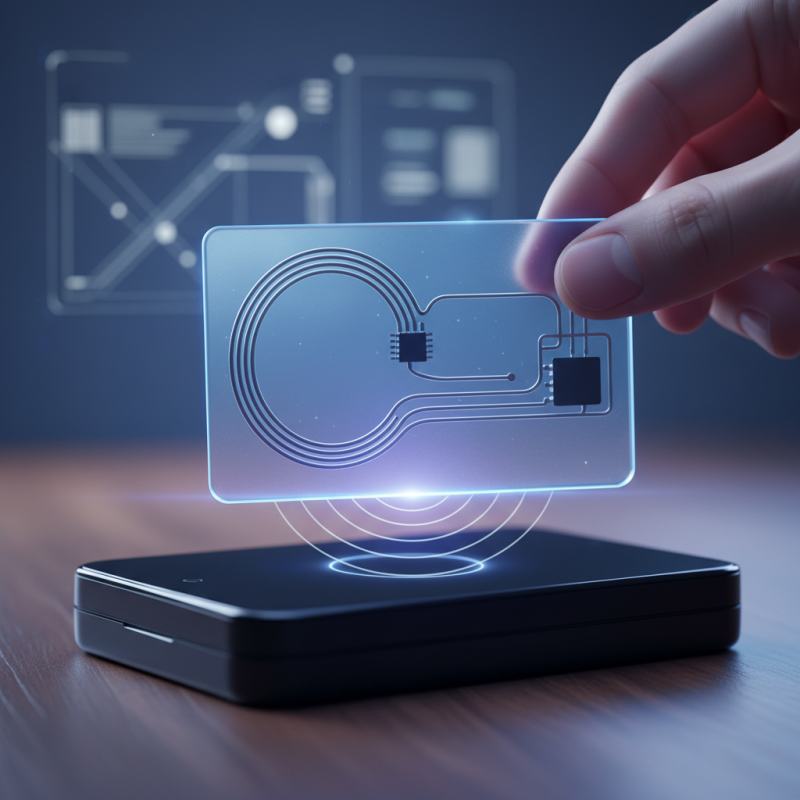
Understanding how an RFID Card works requires a basic knowledge of its components. The card contains a microchip and an antenna. These elements allow the card to communicate wirelessly with a reader. This communication happens when the card is within a specific range, typically just a few inches. This can lead to problems, such as security risks and data breaches.
As we explore the workings and implications of RFID Cards, it's crucial to highlight both their advantages and potential pitfalls. Are these cards as secure as we believe? Their convenience often obscures challenges like unauthorized access. A deeper reflection on the use of RFID Cards reveals the need for improved security measures. Awareness and understanding are vital in navigating this important technology.
What is an RFID Card: Definition and Key Components
RFID (Radio-frequency identification) cards have become increasingly common in our daily lives. They work through a system of tags, readers, and antennas. A key component is the RFID tag, which contains a chip and an antenna. This tag enables communication with an RFID reader.
These cards are often used for access control, tracking inventory, and contactless payments. The chip stores data, while the antenna transmits information wirelessly. When you bring an RFID card close to a reader, the reader emits a radio signal. This allows the card to send its stored information back.
While RFID technology is convenient, there are concerns about security. Unauthorized scanning can lead to data theft. Not all cards have strong encryption, which can leave them vulnerable. Users must reflect on the balance between convenience and security risks. Understanding how RFID cards function can help individuals make informed decisions about their use.
What is an RFID Card and How Does It Work?
| Component | Description | Function |
| RFID Tag | A small electronic device that contains a chip and antenna | Stores and transmits data to an RFID reader |
| RFID Reader | A device that emits radio waves to communicate with RFID tags | Receives the data from the RFID tag |
| Antenna | A component of the RFID system that sends and receives radio frequency signals | Facilitates communication between the RFID tag and reader |
| Middleware | Software that processes data received from the RFID reader | Acts as a bridge between the RFID system and applications |
| Database | A structured storage location for the data processed | Stores historical data and supports reporting and analysis |
Types of RFID Cards: Active, Passive, and Semi-Passive Models
RFID cards come in three main types: active, passive, and semi-passive. Each has distinct characteristics and is suited for different applications. Active RFID cards have their own power source, which allows them to transmit signals over long distances. These cards are often used in applications requiring real-time tracking, such as in vehicle management systems. In fact, according to a report from MarketsandMarkets, the active RFID market is expected to grow to $3 billion by 2025, showing steady demand.
Passive RFID cards, on the other hand, rely on energy from a reader to function. They are smaller and less expensive, making them popular for access control systems and inventory management. One limitation of passive cards is their short reading range, typically no more than a few meters. This can restrict usage in larger areas. Statistics show that the passive RFID market is about 60% of the overall RFID market, signaling widespread adoption.
Semi-passive RFID cards blur the line between active and passive. They have a battery for internal use but rely on a reader for signal transmission. This configuration can extend the reading range compared to passive cards. Some studies indicate that semi-passive RFID usage is on the rise, particularly in supply chain applications. However, as businesses innovate, challenges remain. The balance between cost and technology efficiency is crucial as companies seek the best RFID solution.
How RFID Technology Works: Frequency, Tags, and Readers Explained
RFID technology uses radio waves to transmit data. An RFID card contains a tag, which can be passive or active. Passive tags draw power from the reader’s signal, while active tags have their own power source. The frequency used affects the range and application. Low frequencies work for short distances, while high frequencies can operate over longer distances.
When an RFID reader emits a radio wave, the tag picks it up. It then sends back the stored information. This process happens quickly, often in milliseconds. The data transferred can include unique identifiers or other relevant information. This makes RFID ideal for tracking and inventory management.
Tips: Ensure your RFID tags are positioned correctly. Misalignment can cause failures. Keep the reader and tag within the recommended distance to improve performance. Also, consider the environment; obstacles can interfere with signals. Regularly check the system for any malfunctions or errors. This can save time and prevent issues.
Applications of RFID Cards Across Industries: From Retail to Security
RFID cards are changing the way various industries operate. In retail, they improve inventory management. Stores can track items in real-time, reducing theft and loss. This technology also speeds up the checkout process. Customers enjoy a smoother shopping experience. Yet, some shoppers worry about their privacy.
In security, RFID cards are essential for access control. They allow only authorized personnel to enter secure areas. However, the risk of cloning these cards exists. Organizations must stay vigilant and implement stronger security protocols. Regular system audits can help identify vulnerabilities.
Tips: Always educate staff about RFID technology. Awareness can prevent security breaches. Also, encourage customers to check how their data is used. Transparency builds trust. Regularly review your RFID systems. They should adapt to new threats and challenges.
Industry Statistics: Growth Rate and Market Trends in RFID Adoption
The RFID industry is experiencing remarkable growth. Recent statistics show a steady increase in RFID adoption across various sectors. The global market is expected to reach significant figures in just a few years. Many companies are turning to RFID for efficiency. It helps in inventory management and tracking assets in real-time.
In retail, RFID technology enhances the shopping experience. Customers notice improved product availability and quicker checkouts. However, there are challenges in implementation. Not all businesses are ready to adopt this technology fully. Budget constraints and technical hurdles often linger. Additionally, data privacy concerns arise with increased usage of RFID.
Healthcare is another area where RFID is gaining momentum. Hospitals utilize RFID for patient tracking and medication management. This reduces errors and improves patient safety. Yet, many facilities struggle with integration. Outdated systems can hinder progress. Clearly, while RFID adoption is on the rise, many companies need to reflect on their strategies for successful implementation.