What is Melamine MDF and Why is it Popular Among Global Buyers?
Melamine MDF has become a significant choice for furniture manufacturers worldwide. Melamine MDF combines aesthetics with functionality. This material offers a variety of finishes and durability, making it favorable for modern designs. According to a recent market report by Grand View Research, the global MDF market is expected to reach USD 28.33 billion by 2025, with Melamine MDF as a driving force.
Industry expert Dr. Jane Thompson states, “Melamine MDF is reshaping how we think about interior spaces.” Her insight highlights the growing trend towards using Melamine MDF in diverse applications. It provides a cost-effective solution without compromising quality. Buyers appreciate its ease of maintenance and long-lasting nature. These qualities are vital in today's fast-paced market.
However, the widespread popularity of Melamine MDF raises concerns about sustainability. Some producers may overlook responsible sourcing. As demand grows, ensuring ethical practices will be crucial. Evaluating the environmental footprint of Melamine MDF is an ongoing challenge. Addressing these issues will be important for the industry's future. The balance between quality, cost, and sustainability remains complex and requires thoughtful consideration.
What is Melamine MDF: Definition and Composition
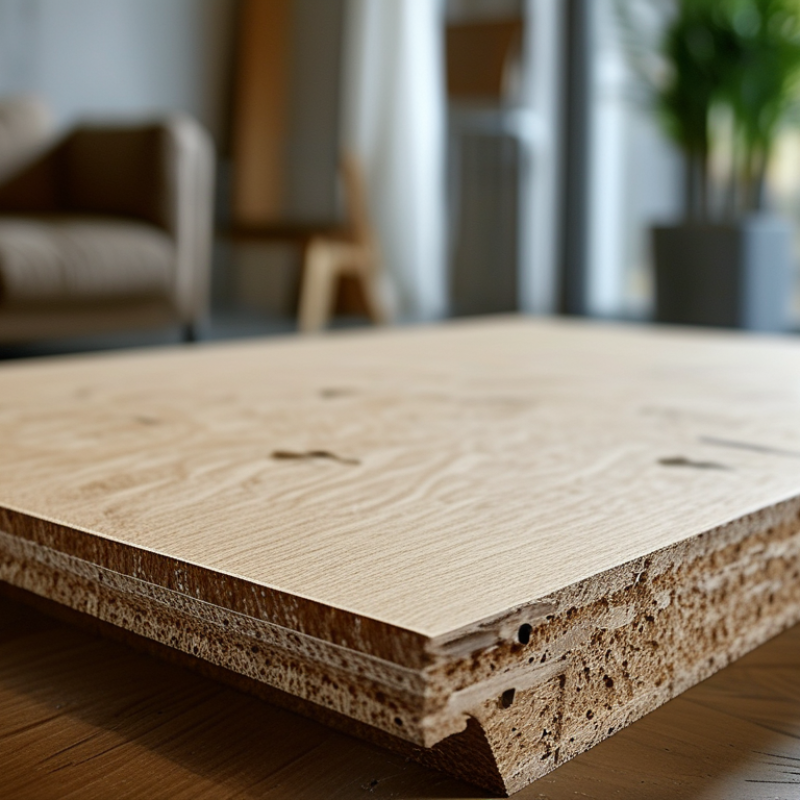
Melamine MDF, or Medium-Density Fiberboard, is a popular engineered wood product. It consists of wood fibers bonded together with adhesive and covered with a melamine resin. This finish provides durability and enhances the board's appearance. The melamine layer resists stains and scratches, making it suitable for various applications, including furniture and cabinetry.
When choosing Melamine MDF, consider its composition. The core is usually made from recycled wood fibers, making it eco-friendly. The melamine surface is smooth and can mimic the look of natural wood. This versatility allows for various designs, appealing to both contemporary and traditional aesthetics.
Tips: Always check for certifications indicating environmental responsibility. Ensure the MDF meets industry standards for safety. Remember, while Melamine MDF is durable, it is still susceptible to extreme moisture and can warp if not cared for properly.
Investing in quality Melamine MDF can elevate your projects. However, it is essential to recognize its limitations. Regular maintenance is necessary to preserve its appearance and functionality. Proper installation techniques can also improve its longevity, making it a wise choice for many applications.
Key Features of Melamine MDF and Its Advantages
Melamine MDF is increasingly favored by global buyers for its unique properties. This engineered wood product combines medium-density fiberboard (MDF) with a durable melamine resin coating. The result is a surface that is resistant to scratches, stains, and moisture. According to industry reports by MarketResearchFuture, the global MDF market is expected to reach $12.4 billion by 2027, driven largely by evolving consumer preferences for sustainable materials.
One of the key features of Melamine MDF is its aesthetic appeal. It comes in a variety of colors and finishes, enhancing any design project. The material is easy to clean, making it ideal for high-traffic areas. Additionally, Melamine MDF is cost-effective, offering a budget-friendly alternative to solid wood. While it has numerous advantages, it is essential to consider that it may be less durable compared to hardwood in some conditions. Furthermore, it might emit small amounts of VOCs, requiring careful selection and usage. Despite these concerns, the growing demand reflects its status as a reliable choice for furniture and cabinetry globally.
What is Melamine MDF and Why is it Popular Among Global Buyers?
| Feature | Description | Advantages |
| Material Composition | Medium Density Fiberboard (MDF) coated with melamine resin. | Durability and moisture resistance. |
| Surface Finish | Available in various patterns and colors, mimicking wood and other textures. | Aesthetic appeal and versatility in design. |
| Sustainability | Made from recycled wood fibers, contributing to environmental sustainability. | Eco-friendly choice for conscious consumers. |
| Cost-effectiveness | Less expensive than solid wood and other high-cost materials. | Affordable option for various applications. |
| Ease of Maintenance | Easy to clean and resistant to stains. | Reduces upkeep costs and time. |
Applications of Melamine MDF in Furniture and Interior Design
Melamine MDF (Medium-Density Fiberboard) has gained a solid reputation in furniture and interior design. Its appeal lies in its versatility and aesthetic qualities. This engineered wood product is often used for cabinetry, shelving, and decorative wall panels. The smooth surface of melamine MDF easily accepts various finishes and colors, making it ideal for modern designs.
In residential spaces, melamine MDF is prevalent in kitchens and living rooms. It can withstand daily wear and tear, and its resistance to moisture makes it suitable for bathroom vanities. Homeowners appreciate its sleek look and low maintenance. In commercial settings, melamine MDF is popular for office furniture and retail displays. It offers a contemporary aesthetic while being budget-friendly.
Despite its advantages, not all melamine MDF is created equal. Variations in quality can affect durability and finish. Some consumers report issues with chipping or delamination over time. It's crucial to choose the right product based on specific needs. Careful consideration ensures that the end result aligns with design goals and functional requirements.
Melamine MDF Applications and Popularity Statistics
Factors Driving the Popularity of Melamine MDF Globally
Melamine MDF has gained immense popularity globally due to its practical benefits. The material is a composite product, combining wood fibers with a melamine resin overlay. This results in a surface that is both durable and visually appealing. The variety of colors and patterns available allows manufacturers to create unique designs. Such versatility draws attention from furniture makers and interior designers alike.
Environmental considerations also play a role in its rising fame. Melamine MDF can be made from recycled materials, appealing to eco-conscious consumers. This aspect boosts its desirability in markets where sustainability matters. Many households prefer using materials that reduce environmental impact. Furthermore, the ease of maintenance enhances its appeal. A simple wipe is often enough to keep surfaces looking fresh and new.
Despite its advantages, buyers must remain cautious. Some lower-quality options may not perform as well. It’s wise to investigate materials and suppliers thoroughly. Responsible sourcing is key to ensuring lasting quality and sustainability. A thoughtful approach leads to better choices for both consumers and the planet.
Comparative Analysis: Melamine MDF vs. Traditional MDF Products
Melamine MDF stands out from traditional MDF in several key areas. Unlike standard MDF, melamine MDF is coated with a durable melamine resin. This coating enhances its resistance to scratches and moisture. As a result, it is ideal for kitchens and bathrooms. The smooth surface also allows for various finishes, making it aesthetically appealing for furniture designs.
When comparing melamine MDF to traditional MDF, consider durability. Traditional MDF can warp or swell when exposed to water. Melamine MDF mitigates this risk, providing longer-lasting performance. Buyers often find its maintenance easy, requiring just a simple wipe to keep it clean. This is a significant advantage in busy home or office environments.
Tips: Always check for the thickness of the boards. Thicker boards provide better durability. Consider the environment where the MDF will be used. Melamine MDF works best in areas prone to moisture. If you're unsure, consult with a professional for guidance on suitability.