How to Maintain Rotating Machines for Optimal Performance?
Rotating Machines are critical components in various industries, driving efficiency and productivity. According to a report by the International Energy Agency, around 70% of industrial energy consumption is attributed to these machines. Proper maintenance is essential to ensure their optimal performance and longevity. However, many facilities overlook this vital aspect, leading to unexpected downtimes and costly repairs.
Regular inspections can significantly enhance the reliability of rotating machines. In fact, studies have shown that predictive maintenance can reduce equipment failures by up to 30%. Despite this, organizations often struggle to implement effective maintenance strategies. Common issues include a lack of trained personnel and inadequate monitoring systems.
Addressing these challenges is key for improved performance. Many industries recognize the need for better practices but often fail to act. Embracing a proactive approach can prevent minor issues from escalating. By prioritizing the maintenance of rotating machines, organizations can enhance operational efficiency and reduce costs. A reflective analysis of current practices is essential for sustaining performance in the long term.
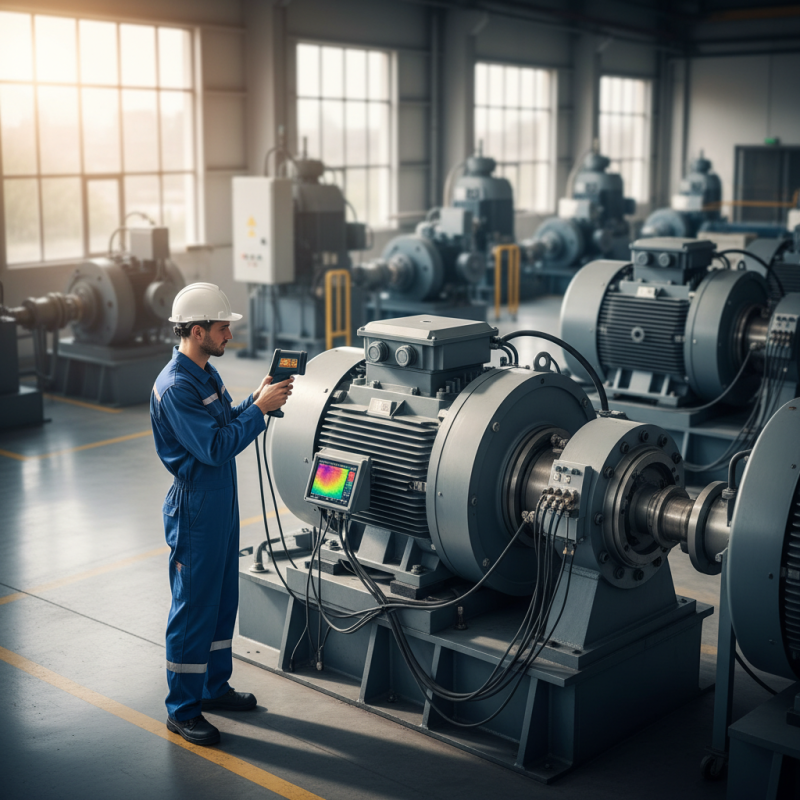
Understanding the Importance of Maintaining Rotating Machines
Maintaining rotating machines is crucial for optimal performance. These machines play a significant role in various industries, from manufacturing to energy production. When neglected, they can lead to costly downtime and repair expenses. Regular maintenance helps to identify potential issues before they escalate. A small problem today can turn into a major failure tomorrow.
Understanding the importance of maintenance means recognizing the wear and tear on components. Bearings, belts, and gears need attention. Simple checks can reveal misalignment or excessive vibration. Daily inspections may seem tedious, yet they are necessary. However, many overlook this routine task.
Keeping detailed maintenance records is vital. These records provide insights into the machine's health. Are there patterns in failures? If yes, adjustments are needed. Don’t wait for a breakdown to take action. Proactively maintaining your rotating machines can lead to better efficiency and longer lifespans. A little reflection on past maintenance practices can yield significant improvements.
Key Components of Rotating Machines That Require Regular Maintenance
Rotating machines are integral to industrial operations. Key components need regular maintenance. Bearings are critical in ensuring mechanical efficiency. Industry reports indicate that over 40% of machine failures stem from bearing issues. Keeping bearings lubricated reduces wear. Scheduled inspections help identify problems early.
Another important component is the shaft. Shafts must be aligned correctly. Misalignment can cause vibration issues and lead to premature failure. According to a study, misalignment can reduce machine lifespan by up to 30%. Regular alignment checks ensure optimal performance.
Additionally, the cooling system plays a vital role. Overheating can cause severe damage. It’s essential to monitor fluid levels and change filters regularly. Reports show that inadequate cooling can reduce efficiency by 20%. Operators must remain vigilant to prevent cascading failures.
Step-by-Step Maintenance Procedures for Rotating Machines
Regular maintenance is crucial for the longevity of rotating machines. Start by checking the lubrication system. Inspect the oil level and ensure it’s within the recommended range. Use the right type of lubricant for the specific machine. Clean the filters regularly to avoid clogs. Neglected filters can lead to overheating. Dirty oil can cause premature wear.
Next, inspect the alignment of rotating parts. Misalignment can create excessive vibration. Use laser alignment tools for accuracy. Check the belts and couplings for wear. Replace them if they show signs of fraying or cracking. It’s important to document the condition of these components to track changes over time. Regular visual inspections are necessary but often overlooked.
Finally, pay attention to the cooling system. Ensure that all cooling fans are operational. Check for dust buildup on heat exchangers. Contaminated surfaces can affect efficiency. Machine operators may miss small leaks that can lead to larger issues. Encourage a culture of maintenance awareness. Small actions can prevent major failures later. Regularly review maintenance logs to identify patterns that may warrant further scrutiny.
Common Issues and Troubleshooting Tips for Rotating Machines
Rotating machines, like motors and generators, play a vital role in many industries. However, they often face common issues that can hinder performance. According to a recent industry report, around 30% of machine failures are due to misalignment. Misalignment causes excess vibration and can lead to significant damage. Regular alignment checks can reduce this risk.
Another prevalent issue is lubrication. Insufficient or excessive lubrication can lead to increased friction. A study indicates that poor lubrication accounts for nearly 40% of rotating machine failures. Implementing a routine lubrication schedule is essential. It's important to use the right type of lubricant and to avoid over-lubricating.
**Tips:** Regularly monitor the temperature of machinery. Elevated temperatures often indicate issues. Use vibration analysis tools to detect problems early. Pay attention to unusual noises; they often signal impending failure. Maintain a clean environment around machines to minimize dust and debris accumulation. These small changes can drastically improve performance and machine longevity.
Best Practices for Optimizing Performance and Extending Lifespan
Rotating machines are vital in various industries. Proper maintenance helps optimize their performance and extend their lifespan. According to a report by the International Maintenance Institute, well-maintained equipment can increase operational efficiency by up to 30%. Regular inspections, lubrication, and alignment checks play a crucial role in this process. Often, vibrations are ignored, but they may indicate underlying issues. Addressing these early can prevent costly failures later.
Filtering and cooling systems require attention too. Dirty filters can decrease machine efficiency by 20%, leading to overheating. Additionally, monitoring temperature variations is essential. If unchecked, they can cause irreparable damage. It's also important to have a record of maintenance activities. This can help identify patterns and optimize future upkeep schedules.
Learning from past mistakes, such as overlooking minor repairs, is crucial for growth. Regular training for staff ensures everyone is informed about new best practices and technologies.