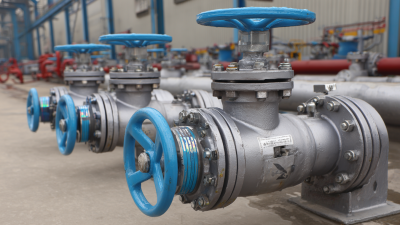
Understanding Globe Valve Types and Their Applications?
Globe valves are essential components in various industrial applications. Their design allows for efficient flow regulation and control. This article explores different types of globe valves and their specific uses.
Understanding the characteristics of globe valves can significantly impact system performance. Each valve type has unique features that suit particular conditions. The choice of a globe valve often depends on factors like pressure, temperature, and flow rate.
In many projects, the selection process can be complicated. Engineers frequently encounter challenges when identifying the right globe valve. Mistakes in this phase may lead to inefficiencies and increased operational costs. Therefore, a deep understanding is crucial for optimizing results.
Types of Globe Valves: A Comprehensive Overview
Globe valves are critical components in control systems. They regulate flow in various industries, from water treatment to oil and gas. The design allows for precise adjustments. According to a recent market report, the global globe valve market is projected to reach $15 billion by 2025. This growth reflects increasing industrial needs.
There are several types of globe valves. These include traditional globe valves, pressure-balanced globe valves, and bellows-sealed globe valves. Each type serves specific purposes. Traditional globe valves are versatile and widely used. However, they can be less efficient in terms of pressure drop. Pressure-balanced globe valves minimize this issue but may involve higher maintenance.
Bellows-sealed globe valves prevent leakage effectively. They are ideal for critical applications. Yet, their complexity can lead to installation challenges. Understanding these differences is vital for selecting the right valve type. Many industries often overlook these aspects, which can lead to inefficient systems. Awareness can drive better operational decisions.
Design Features of Globe Valves and Their Importance
Globe valves are essential components in many piping systems. Their unique design allows for effective throttling and flow control. The key feature is the disk that moves perpendicularly to the flow. This offers precise regulation, making them popular in various applications.
The body of a globe valve often has a spherical shape. This design enhances strength and helps reduce flow turbulence. Additionally, the valve seat is precision-machined to create a tight seal. However, the performance can be hindered by wear over time. Inspecting the seating surface regularly is crucial to ensure efficiency.
Another important aspect is the valve's size and connection type. Common types include flanged, threaded, or welded connections. A mismatch can lead to leaks or operational failures. Users must consider this when selecting valves for specific applications. While globe valves are versatile, understanding their design features is key to maximizing their effectiveness.
Applications of Globe Valves in Various Industries
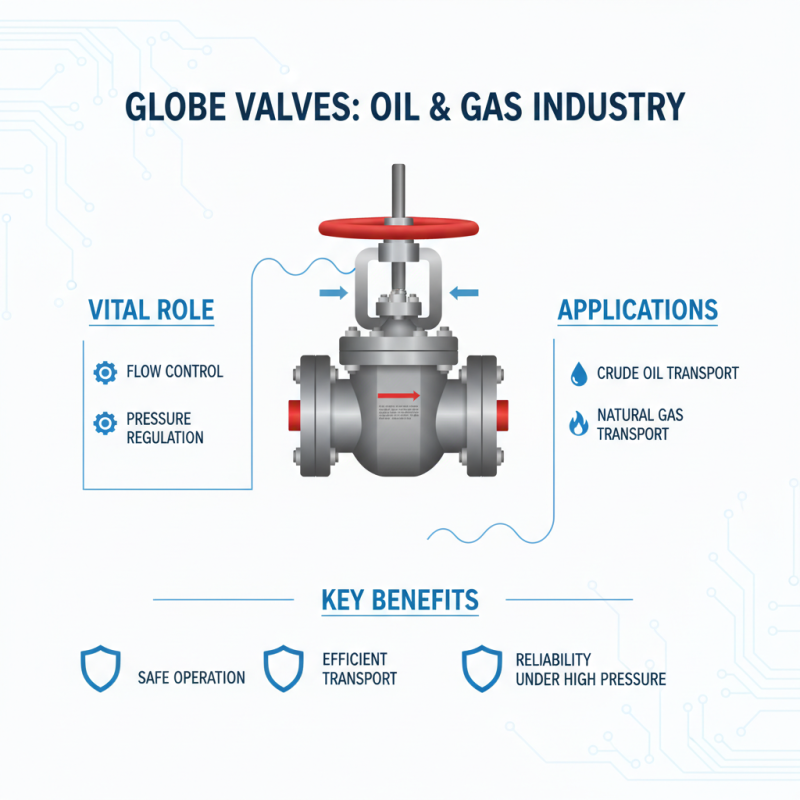
Globe valves play a vital role in many industries. Their capacity to control flow and maintain pressure makes them indispensable. In the oil and gas sector, these valves regulate crude oil and natural gas transport. They ensure safe and efficient operations. Their reliability under high pressure is crucial for these applications.
In water treatment facilities, globe valves manage water flow. They help in controlling the distribution of treated water. This crucial function helps maintain water quality and ensure public safety. In power plants, these valves regulate steam flow. High-performance is key to maintaining efficiency and safety in energy production.
However, globe valves can have limitations. They may not always perform well in large-diameter applications. Some industries might require quicker operating valves. Reflecting on their efficiency can lead to improved choices. Therefore, operators must evaluate specific needs before selecting the valve type. Understanding both advantages and drawbacks allows for better decision-making.
Advantages and Disadvantages of Different Globe Valve Types
Globe valves are crucial in many systems, commanding significant attention in piping applications. They come with advantages and disadvantages that impact their usability. One major advantage is their excellent throttling capability. According to industry reports, globe valves can maintain good flow regulation, making them ideal for control applications. However, they also feature a higher pressure drop than other types, which can lead to inefficiencies.
Another consideration is the longevity of globe valves. They are designed for durability and reliability, especially in high-pressure systems. However, this durability often comes with a trade-off. Globe valves usually require more space and maintenance compared to their counterparts. Users need to assess the installation space when opting for this type of valve. In sectors like oil and gas, where precision is vital, these factors can significantly impact operational efficiency.
In applications requiring frequent opening and closing, globe valves might show wear over time. This wear could lead to leaks and added costs for repairs. Data from the Fluid Control Association highlights that improper selection of valve types can result in failure rates up to 30% in critical systems. Such insights emphasize the need for careful evaluation of globe valve types and their applications in various sectors.
Maintenance and Troubleshooting of Globe Valves
Maintaining globe valves requires a keen eye for detail. Regular inspections can prevent major issues. Look for leaks or corrosion around the valve body. If you notice rust, it may indicate a deeper problem. A small leak can often turn into a significant issue if not addressed promptly.
Cleaning is crucial. Debris can build up inside the valve, affecting performance. Use proper cleaning tools to remove any obstructions. Misalignment is another concern. Ensure the valve is properly aligned with the pipeline. If the alignment is off, it can lead to a poor seal and eventual failure.
When troubleshooting, start with the basics. Check for proper operation first. A stuck valve may indicate a faulty actuator or internal damage. Listen for unusual sounds during operation. Noisy valves can signal wear or misalignment. Address these signs early to extend the life of your globe valves.
Understanding Globe Valve Types and Their Applications
This bar chart illustrates the applications of different types of globe valves based on their common usages in various systems. Standard globe valves are the most used, while angle globe valves and electric globe valves follow closely behind. Control globe valves have notable applications as well, reflecting their importance in regulating flow in piping systems.