
Why Should You Choose a Gas Meter Pulse Reader for Accurate Measurement?

In today's world, accurate measurements of gas consumption are crucial. A gas meter pulse reader offers a reliable solution. These devices convert pulse signals into precise usage data. They can enhance efficiency for both residential and commercial operations. Choosing the right reader can prevent errors that often lead to costly consequences.

Reliability is key when selecting measurement tools. A gas meter pulse reader provides essential features to ensure consistent readings. Users can benefit from its ease of use and accurate data collection. Various models are available, catering to different needs and budgets. Yet, not every model is created equal; some may fail in accuracy over time.

Investing in a high-quality gas meter pulse reader can pay off significantly. It minimizes guesswork in gas consumption assessment. Ultimately, having trustworthy data allows for better decision-making and optimization. Reflecting on your current tools might reveal gaps in accuracy and reliability. It’s essential to continually evaluate and adapt to improve measurement practices.
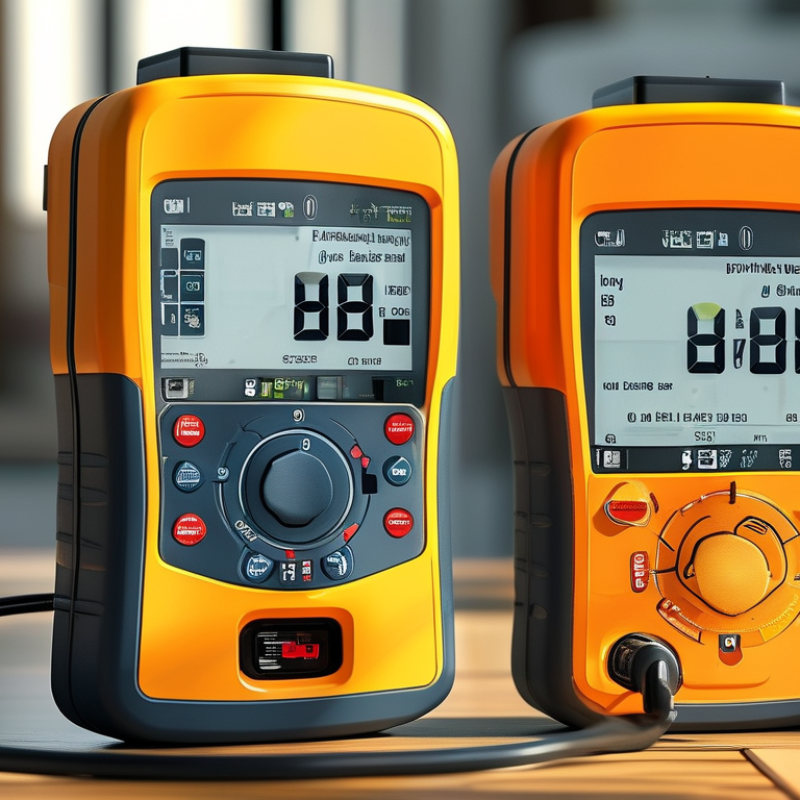
Why Should You Choose a Gas Meter Pulse Reader for Accurate Measurement?

Understanding the Functionality of Gas Meter Pulse Readers

Gas meter pulse readers serve a crucial role in accurately measuring gas consumption. These devices translate the mechanical movements of a gas meter into digital signals, ensuring precise readings. The American Gas Association reports that accurate gas measurement can help reduce operational costs by up to 15%. This translates into significant savings for both residential users and commercial operations.

Understanding the functionality of gas meter pulse readers is essential. They typically employ a magnetic or optical sensor to capture pulse signals from the gas meter. Each pulse corresponds to a specific volume of gas consumed. This technology allows for real-time monitoring and can prevent human error that often occurs with manual readings. According to industry data, inaccurate readings can lead to over- or under-billing, affecting customer trust.

However, the implementation of pulse readers is not without challenges. Calibration issues may arise in some devices, impacting measurement accuracy. A study highlighted that up to 4% of installations experienced some form of signal distortion. This statistic underscores the importance of ongoing maintenance and checks to ensure reliability. Operators must remain vigilant and regularly assess their systems to ensure optimal performance.

Why Should You Choose a Gas Meter Pulse Reader for Accurate Measurement? - Understanding the Functionality of Gas Meter Pulse Readers

Feature Description Advantages Applications
High Accuracy Provides precise measurement of gas consumption by reading pulses. Reduces discrepancies in billing, ensures fair usage measurement. Residential, commercial, and industrial gas monitoring.
Real-Time Data Allows for instant reading of gas usage, improving responsiveness. Enables prompt detection of leaks or unusual consumption patterns. Smart home systems, industrial automation.
User-Friendly Interface Designed for easy interpretation of data and monitoring. Simplifies user experience for operators and homeowners. Any user needing to monitor gas usage manually or automatically.
Compatibility Can be integrated with various gas meters and systems. Flexibility in setup and installation according to user needs. Existing gas infrastructure, modern smart grid systems.
Data Logging Stores usage data for future analysis and review. Helps in optimizing gas usage and improving efficiency. Energy audits, regulatory compliance, consumption analysis.

Key Advantages of Using Gas Meter Pulse Readers for Measurement

Using a gas meter pulse reader offers significant benefits for accurate measurement. These devices capture pulse signals directly from the gas meter, ensuring real-time data collection. This real-time data allows for better tracking of gas consumption. Users can monitor usage patterns and identify discrepancies with ease.

Another advantage is the enhanced accuracy provided by these readers. They minimize human error that often occurs during manual readings. With precise data, businesses can make informed decisions regarding their gas consumption. Additionally, the automation of data collection leads to decreased operational costs. This is particularly important for large facilities that rely heavily on gas.

However, it's crucial to consider installation and calibration requirements. Improper setup can lead to inaccuracies. Moreover, some users may find it challenging to interpret the collected data without adequate training. Understanding how to analyze results is key to leveraging the full potential of these devices. While the technology holds promise, ongoing education and adjustment are necessary for optimal use.

Advantages of Using Gas Meter Pulse Readers for Accurate Measurement

How Gas Meter Pulse Readers Enhance Accuracy Compared to Traditional Methods

Gas meter pulse readers are becoming increasingly important in ensuring accurate measurement of gas consumption. Unlike traditional methods, which often rely on manual readings, these devices automatically capture data. This automation reduces the margin for human error, providing more reliable results.

The technology behind gas meter pulse readers allows for real-time monitoring. Users can receive updates on gas usage without having to visit the meter physically. This not only saves time but also offers peace of mind when it comes to billing accuracy. Traditional methods could lead to estimate-based bills, causing discrepancies. Pulse readers eliminate this issue.

However, some challenges remain. Not all pulse readers are equally reliable, and installation may require technical expertise. Plus, regular maintenance is essential for optimal performance. It’s worth reflecting on the balance between advanced technology and user understanding, as both factors contribute to overall effectiveness.

Factors to Consider When Choosing a Gas Meter Pulse Reader

When considering a gas meter pulse reader, precision is crucial. Look for features that enhance accuracy in measurements. An ideal reader should have a durable design that withstands harsh environments. It should also provide clear readings and quick response times. A reliable interface can make data retrieval easier.

Sensitivity matters, too. Some meters may not capture low flow rates effectively. Check the specifications for minimum flow rates. Consider whether the reader supports various gas types. Compatibility with your existing system is important. If it doesn't fit, accuracy suffers.

Installation and maintenance should also be easy. Complex setups can lead to human error. A system that's challenging to use may deter regular checks. Understand the calibration process involved. Regular calibration ensures that you maintain precision over time. Monitoring performance can reveal inconsistencies, prompting necessary adjustments.

Real-World Applications and Benefits of Gas Meter Pulse Readers

Gas meter pulse readers are revolutionizing the way we measure gas consumption in various industries. These devices convert mechanical measurements into electronic pulses, allowing for more accurate real-time data analysis. According to a report by the American Gas Association, accurate billing based on precise measurements can reduce billing errors by as much as 10%. This is significant for both utility providers and consumers, ensuring fairness in billing practices.

In practical terms, gas meter pulse readers are widely used across sectors such as manufacturing and energy. In a manufacturing plant, these readers help monitor gas usage, optimizing processes and reducing waste. A study by the International Energy Agency found that effective monitoring can lead to energy savings of up to 15%. This translates into lower operational costs and a smaller carbon footprint.

Moreover, the reliability of gas meter pulse readers enhances safety measures. With real-time data, facility managers can quickly identify leaks or abnormal usage patterns. A 2022 survey found that 30% of facility managers reported improved safety after implementing these systems. While the initial setup may require investment, the long-term benefits regarding safety, savings, and accuracy make it a worthwhile consideration.

REQUEST A QUOTE

Menu
[all-fields]