
- 713.590.1312
- sale@pandbtools.com
How to Choose a Knife Gate Valve in 2026?
Choosing a Knife Gate Valve in 2026 requires more than comparing catalog prices. Process conditions decide whether a valve survives or fails. Media type, solids concentration, pressure, temperature, installation angle, and cycling frequency all matter. A valve handling abrasive slurry faces a different duty from one isolating dry powder or wastewater.
Industry outlooks support this careful approach. Grand View Research’s Industrial Valves Market report identifies water treatment, oil and gas, chemicals, and power generation as major demand sectors. Fortune Business Insights also projects continued growth in the global industrial valves market, driven by infrastructure upgrades and process automation. These reports show market direction, but they cannot select a valve for a specific pipeline. Field conditions still control the decision.
Real experience often exposes overlooked details. A thin stainless-steel gate may resist corrosion, yet its seat can wear quickly under abrasive particles. A resilient-seated design may seal well during routine isolation, but frequent throttling can damage it. Review pressure ratings against API 598 testing practices, MSS SP-81 requirements, and applicable ISO 5208 leakage classes. Confirm the body material, gate material, seat design, actuator torque, and maintenance access before ordering.
Small details matter.
This guide explains how to compare Knife Gate Valve designs for 2026 applications. It considers performance, lifecycle cost, documentation, and supplier reliability. No selection method is perfect. Actual slurry behavior, unexpected cycling, and imperfect installation can challenge even a carefully specified valve. That is why test records, verified datasheets, and operating experience should support every final choice.
What a Knife Gate Valve Is and Where It Is Used
How to Choose a Knife Gate Valve in 2026?
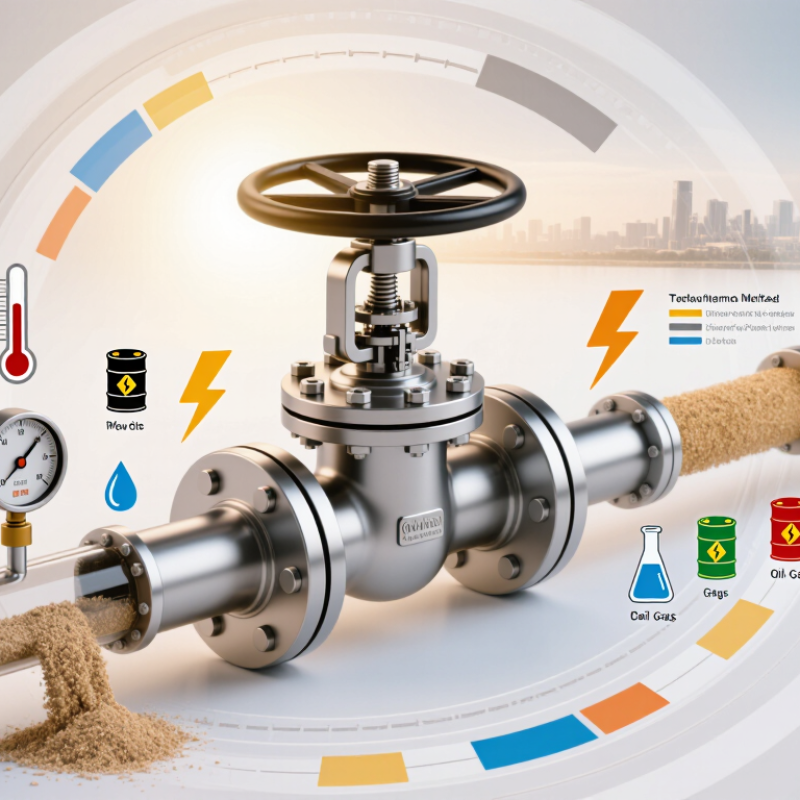
A knife gate valve uses a thin, sharp-edged gate to cut through and isolate flowing media. Its open passage reduces resistance when handling wastewater, pulp, dry powders, ash, and abrasive slurry. It is not a throttling valve. Partial opening can damage the gate and seat through turbulence, vibration, or solids buildup.
The U.S. Environmental Protection Agency’s 2022 Clean Watersheds Needs Survey estimated $630.1 billion in U.S. wastewater infrastructure needs over the next 20 years. This figure highlights why reliable isolation equipment matters in treatment plants.
UN-Water reports that agriculture represents about 70% of global freshwater withdrawals, where irrigation and sludge systems often require dependable flow isolation. In mining, a resilient gate and suitable seat material are essential when pipelines carry dense mineral slurry.
Choose the valve by media, pressure, temperature, pipe size, and installation direction. Check whether the line contains fibrous material, sharp particles, or trapped solids. A rising stem improves visual confirmation, while a non-rising design saves space. Pneumatic actuation may suit frequent cycling, but it needs clean, stable instrument air. MSS SP-81 and the manufacturer’s documented test procedures can support dimensional and pressure checks. Do not rely on a catalog pressure rating alone. Real slurry concentration can change performance. Field experience also shows that poor alignment causes leakage earlier than expected, so inspect flange faces and support the pipeline before tightening bolts.
Identify the Media, Pressure, Temperature, and Flow Conditions
How to Choose a Knife Gate Valve in 2026?
Identify the Media, Pressure, Temperature, and Flow Conditions
Start with the media, not the valve size. Is it clean water, powder, sewage, abrasive slurry, or a corrosive chemical? Record particle size, concentration, viscosity, and settling behavior. A slurry containing sharp solids can damage an unsuitable seat quickly. Fibers may collect around the gate. Dry powders may require a different sealing arrangement. The correct body and trim materials depend on these details.
Pressure selection needs more than the normal operating value. Check the maximum pressure, pressure spikes, line class, and required shutoff differential. A valve may tolerate static pressure but fail when closing against a full-pressure line. Temperature also changes the decision. Hot media can harden or soften seals, expand metal parts, and increase operating torque. Include startup and cleaning temperatures, not only the average process temperature. Small omissions become expensive.
Flow conditions deserve careful review. Knife gate valves usually isolate flow; they are not ideal throttling devices. Partial opening can create turbulence, vibration, erosion, and unstable control. Measure pipe velocity and estimate the pressure drop across the valve. Confirm whether the valve must close against flowing media or trapped solids. Actuator sizing should reflect real torque, not a convenient estimate. I have seen clean specifications fail in the field because media behavior changed seasonally. That detail is easy to miss. Recheck the data with operators, maintenance staff, and process engineers before ordering.
How to Choose a Knife Gate Valve in 2026?
Identify the Media, Pressure, Temperature, and Flow Conditions Before Selecting the Valve
| Media Type | Typical Composition and Solids | Recommended Pressure Range | Typical Temperature Range | Flow Conditions | Preferred Seat Arrangement | Typical Construction Considerations | Selection Guidance |
|---|---|---|---|---|---|---|---|
|
Clean Water Raw water, process water, cooling water |
Low suspended solids; generally below 1% by mass in normal service |
0.5–16 bar Higher ratings may be available for specific designs |
5–60°C | Continuous or intermittent isolation service; full-open operation is preferred | Resilient elastomer seat or metal seat, depending on leakage requirements | Ductile iron, carbon steel, or stainless steel body; stainless steel gate for improved corrosion resistance | Select the pressure rating from the maximum operating pressure, including pump shutoff pressure and surge |
|
Wastewater and Sewage Municipal wastewater, sludge-containing water |
Fibrous material, suspended solids, rags, and debris; commonly 1–5% suspended solids | 0.5–10 bar | 5–45°C | Intermittent isolation; risk of clogging at reduced openings | Full-port resilient seat or unidirectional seat with self-cleaning gate clearance | Corrosion-resistant gate and replaceable packing; access for cleaning is beneficial | Consider a flush port, deflector, or wider body passage where fibrous solids may accumulate |
|
Abrasive Slurry Mineral slurry, tailings, ash-water mixtures |
Frequently 10–60% solids by mass; particles may include sand, silica, or ore | 2–16 bar | 5–80°C | Intermittent isolation; throttling can rapidly increase wear | Abrasion-resistant elastomer or metal seat; seat geometry should minimize dead zones | Hardened or wear-resistant gate, abrasion-resistant liners, and heavy-duty packing | Verify particle size, hardness, density, settling velocity, and expected cycling frequency before sizing |
|
Pulp and Paper Stock Fiber suspension, pulp stock, recycled-fiber mixtures |
Usually 0.5–6% fiber consistency; long fibers may bridge across narrow passages | 1–16 bar | 20–100°C | Frequent cycling; full-bore passage is important to reduce fiber accumulation | Resilient seat with a design that prevents fiber entrapment | Stainless steel gate and corrosion-resistant wetted components may be required for bleaching chemicals | Avoid excessive throttling; confirm that the valve design is suitable for fibrous media and the required number of cycles |
|
Dry Bulk Powder Cement, fly ash, lime, flour, and similar powders |
Dry particulate solids; particle size and moisture level strongly affect flowability | 0.2–6 bar |
0–200°C Higher temperatures require special packing and materials |
Gravity flow, pneumatic conveying, or batch isolation; possible abrasive cycling | Metal seat or compression-type seal suitable for dry solids | Wear-resistant gate, dust-tight packing, and optional purge or air-assist connections | Check whether the valve will operate under positive pressure, vacuum, or pneumatic conveying conditions |
|
Corrosive Chemical Liquids Acids, alkalis, oxidizing process liquids |
Low or no solids; chemical concentration and contaminants determine material compatibility | 0.5–16 bar | 0–120°C | Isolation service with controlled cycling; leakage prevention is critical | Chemically compatible elastomer, PTFE-based, or corrosion-resistant metal seat | Stainless steel, alloy, lined, or coated wetted parts; packing must be compatible with the chemical | Confirm compatibility against concentration, temperature, permeation, corrosion rate, and cleaning chemicals |
|
Hot Water and Thermal Fluids Heating water, hot process liquids, thermal service |
Normally clean liquid with low solids content | 2–25 bar, subject to temperature derating | 100–250°C | Isolation service; thermal expansion and frequent temperature changes may occur | Metal seat or high-temperature-compatible resilient seat | High-temperature packing, suitable bonnet arrangement, and materials rated for thermal cycling | Use the pressure-temperature rating rather than the cold working-pressure value alone |
|
Low-Pressure Gas Air, nitrogen, biogas, and selected process gases |
Gas may contain moisture, dust, condensate, or corrosive contaminants | 0.1–10 bar | −20–120°C | Isolation or on/off control; leakage class and actuator response are important | Gas-tight resilient or metal seat, depending on temperature and leakage requirements | Suitable packing, anti-static provisions where required, and corrosion-resistant wetted components | Confirm that the valve is specifically rated for gas service; liquid-service assumptions do not automatically apply |
|
Vacuum Service Suction lines, vacuum conveying, air-extraction systems |
Clean gas or gas containing dust and fine particles | Full vacuum to approximately 1 bar(g), depending on design | −20–100°C | Isolation service under negative pressure; external leakage control is essential | Vacuum-rated resilient or metal seat with suitable packing compression | Body and gate must resist deformation under external pressure; shaft sealing requires special attention | Verify the manufacturer’s vacuum rating, orientation limits, and allowable leakage rate |
|
Food and Hygienic Slurries Starch, sugar solutions, fruit pulp, and similar liquids |
Low to moderate solids; may contain fibrous or sticky organic material | 1–10 bar | 0–120°C | Frequent cycling and clean-in-place operations may be required | Hygienic elastomer seat with smooth, drainable internal surfaces | Stainless steel wetted parts, approved sealing materials, and minimal product-retention areas | Confirm cleanability, surface-finish requirements, sterilization temperature, and compatibility with cleaning agents |
- Size the valve for the required flow rate and allowable pressure loss; do not select only by matching the pipeline diameter.
- Knife gate valves are generally intended for isolation. Continuous throttling can cause vibration, erosion, unstable flow, and premature seat damage.
- Check maximum operating pressure, pressure surges, differential pressure during opening and closing, and the applicable pressure-temperature rating.
- For abrasive, fibrous, sticky, or settling media, confirm solids concentration, particle size, viscosity, density, and cleaning requirements.
- Specify actuator type and fail position after calculating the required operating force under the worst differential-pressure condition.
Match Valve Materials to Corrosion, Wear, and Service Requirements
How to Choose a Knife Gate Valve in 2026?
Material selection should begin with the fluid, not the valve price. NACE’s IMPACT study estimates global corrosion costs at about $2.5 trillion annually, or 3.4% of global GDP. That figure makes material discipline practical, not academic. For clean water and mild wastewater, ductile iron bodies with protective coatings can be economical. Carbon steel suits stronger mechanical loads, but it needs lining or corrosion control in chloride-rich service.
Slurry changes the decision. Abrasive particles can cut soft seats and erode gate edges. Hardened stainless steel, duplex stainless steel, or replaceable wear components may extend service life. In mining circuits, inspect the gate, seat, and bottom body area separately. They rarely wear at the same speed. A resilient elastomer seat may seal well, while abrasive solids quickly damage it. That trade-off is easy to miss.
Temperature and chemistry narrow the options further. EPDM often fits water service, while PTFE handles many aggressive chemicals, but compatibility depends on concentration and temperature. ISO 12944 corrosion categories help compare coating exposure, though they cannot replace site testing. The World Corrosion Organization reports that up to 30% of corrosion costs may be reduced through better prevention and control. That sounds encouraging, perhaps too neat. Real plants contain mixed chemicals, poor drainage, and maintenance gaps. Specify materials from operating data, then challenge the specification with actual samples, wear history, and a failure review.
Choose the Right Gate Design, Actuator, and Control Method
Choosing a knife gate valve in 2026 starts with the process, not the catalog. For dry powders, a unidirectional gate may reduce buildup around the seat. Slurries often need a bidirectional design with a reinforced body and replaceable seats. In wastewater lines, inspect the gate edge, packing area, and flushing ports. I have seen valves fail early because operators selected by pipe size alone. Flow direction, solids concentration, pressure, temperature, and cleaning frequency matter more than appearance.
Actuator choice should match both force and operating rhythm. Pneumatic actuators suit frequent cycling and hazardous areas, provided the air supply remains dry and stable. Electric actuators offer easier position feedback and useful diagnostic records. Hydraulic units deliver high thrust, but their power packs require space and maintenance. The International Energy Agency estimates that electric motor systems use about 53% of global electricity. That figure makes actuator efficiency and standby consumption worth checking, even on one valve. Oversizing still wastes energy.
Control method affects reliability. A simple open-close signal works for isolation. Modulating control requires position feedback, calibrated travel, and a control loop suited to abrasive media. Specify fail-open or fail-closed behavior carefully. ISA standards and IEC 60534 guidance can support this review. Yet standards cannot replace a site trial. The imperfect part is unavoidable: actual solids may differ from laboratory samples, so monitor torque, cycle time, leakage, and seat wear after commissioning. Use those records to revise the specification.
Verify Standards, Installation Needs, Maintenance, and Total Cost
How to Choose a Knife Gate Valve in 2026?
Verify the applicable standard before comparing prices. ASME B16.34 defines pressure-temperature requirements, while ASME B16.5 supports compatible flange dimensions. ISO 5208 provides leakage-test procedures. These references matter when a valve faces abrasive slurry, hot water, or frequent cycling. A paper specification is not enough. Ask for test records, material certificates, and the declared leakage class.
Installation details often decide service life. Measure face-to-face length, flange alignment, actuator clearance, and pipeline support. A rising stem needs overhead space; a concealed stem may simplify restricted installations. The U.S. Department of Energy’s Operations & Maintenance Best Practices guide links planned maintenance with lower operating costs, commonly reporting savings of 5–20%. Still, that range is not guaranteed. Poor access can erase the benefit.
Maintenance should include packing checks, gate travel tests, and inspection after abnormal pressure events. McKinsey reports that predictive maintenance can reduce downtime by 30–50% and maintenance costs by 20–30%, but its figures describe industrial equipment broadly, not every knife gate valve. Include labor, isolation time, spare parts, actuator energy, disposal, and leakage risk in the total-cost model. A cheaper valve may become expensive after one difficult replacement. I would also challenge the quotation. Is the price low because the design is efficient, or because essential testing was omitted?
How to Choose a Knife Gate Valve in 2026?
Verify standards, installation needs, maintenance requirements, and total cost before approving a valve for service.
How to read this chart: The matrix shows whether each standard is primarily relevant to a specific verification area. Use the applicable standards together: dimensional standards help confirm installation interfaces, while valve and testing standards support design and pressure-boundary verification. Final selection should also consider media compatibility, pressure and temperature ratings, accessibility, spare parts, maintenance intervals, and lifecycle cost.
Related Posts
-
Understanding Industry Standards for the Best Knife Gate Valves
-
Advantages of Using Knife Gate Valves in Various Industries
-

2025 Market Insights: Elevating Efficiency with the Best Knife Gate Valve Solutions
-
Why Choose a Knife Gate Valve for Your Industrial Needs?
-
Navigating Global Trade Standards for Best Valve Distributors with Essential Certification Insights
-
How to Choose the Right Gate Valve for Your Project?