Best Rubber Air Hose for Durability and Performance?
When selecting the best rubber air hose, durability and performance stand out as key factors. These hoses are essential for numerous applications, from automotive to industrial use. A high-quality rubber air hose ensures that air pressure remains consistent and reliable during operation.
Choosing the right rubber air hose isn't always straightforward. Different brands offer varied levels of resilience and flexibility. Some users may prioritize price over quality, leading to premature wear and tear. It's crucial to consider the hose's resistance to kinks and abrasions, as these issues can affect performance.
Sometimes, even well-reviewed hoses can disappoint. Buyers often overlook the importance of temperature ratings and compatibility with air tools. Investing a bit more in a quality rubber air hose can save time, effort, and money in the long run. Thus, focusing on durability and performance is essential for those looking to make a worthwhile purchase.
Types of Rubber Air Hoses and Their Applications
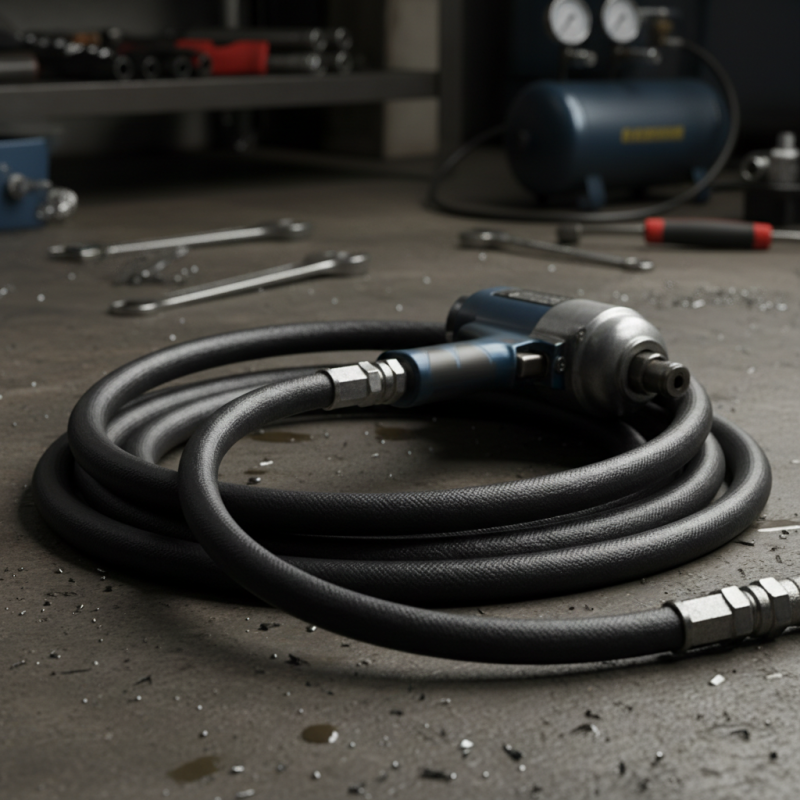
Rubber air hoses are crucial tools in various industries. Their flexibility and resistance to wear make them widely used in construction, automotive, and manufacturing. Different types of rubber air hoses cater to various applications. For example, some hoses are designed for high-pressure tasks, while others are more suited for low-pressure environments. This versatility is essential. According to industry reports, hoses made from synthetic rubber can withstand extreme temperatures, increasing their longevity.
When selecting a rubber air hose, consider the specific application. If you need a hose for heavy-duty tasks, a reinforced version would be ideal. Standard rubber hoses may struggle under high pressure or extreme conditions. This can lead to leaks or ruptures. Data shows that investing in quality hoses can reduce long-term costs. Lower-quality hoses may seem cheaper upfront but can fail prematurely.
Tips: Regularly inspect hoses for signs of wear. Check for cracks or abrasions. Proper maintenance extends their lifespan. Additionally, avoid coiling hoses too tightly. This can create weak points. Ensuring that you choose the correct type for your specific needs pays off in performance and durability.
Key Features to Look for in Durable Rubber Air Hoses
When selecting a rubber air hose, durability and performance are key factors. Look for materials that resist abrasion and temperature variations. Data from industry studies show that hoses made from high-quality rubber last up to 30% longer than standard hoses. Flexibility is also important; a good hose should bend easily without kinking.
**Tip:** Always check the hose's pressure rating. It should exceed your maximum compressor output. This ensures safety and functionality over time.
Pay attention to the length and diameter of the hose. Standard diameters are often 1/4", 3/8", or 1/2". A larger diameter hose can deliver more air but may be heavier. Choose a length that avoids excess. Long hoses can lead to pressure loss, diminishing performance.
**Tip:** Consider how you will store the hose. Coiling too tightly can create wear points. Aim for a method that keeps it in good shape. Remember, the right storage can significantly impact hose lifespan.
Comparative Analysis of Performance: Rubber vs. Other Hose Materials
When evaluating hose materials, rubber emerges as a strong contender for various applications. Its flexibility allows for easy maneuverability around obstacles. Unlike some plastic options, rubber hoses tend to resist kinks and tangles. In rough work environments, their durability often outshines lighter materials. However, one should always be wary of the maximum pressure ratings. Exceeding them can lead to catastrophic failures.
Tips: Regularly check the hose for signs of wear. Small cracks can develop over time. Always ensure fittings are secure to prevent leaks. If the hose is constantly exposed to harsh weather, consider a rubber variant specifically designed for outdoor use.
On the other hand, alternatives like PVC hoses can be lighter and cheaper. They are suitable for less demanding tasks but may lack the resilience of rubber. Users find these hoses can become brittle in extreme temperatures. This tendency can limit their lifespan significantly. Thus, while they might be tempting for casual tasks, rubber hoses hold a clear advantage in the long run. Just don’t overlook maintenance; even the best rubber hose needs care.
Maintenance Tips for Prolonging the Life of Rubber Air Hoses
Rubber air hoses are essential tools in various applications. (Tip: Always check for cracks regularly.) They endure heavy use, so maintaining them is crucial for longevity and performance. One important aspect is proper storage. When not in use, store hoses in a cool, dry place. Avoid leaving them in direct sunlight.
Another maintenance tip is to regularly inspect for leaks. Small leaks can lead to significant air loss. (Tip: Use soapy water to find leaks easily.) If you find any, replace the damaged section promptly. A well-cared-for air hose not only works better but also lasts longer.
Cleaning your rubber air hose is vital too. Dirt and debris can affect performance. Use a damp cloth to wipe the exterior. Make sure to clean inside the couplings as well. (Tip: Use a small brush for hard-to-reach areas.) If the hose becomes stiff, it may need replacement. Regular checks will save you time and money.
Best Rubber Air Hose Durability and Performance
Top Brands and Recommendations for Quality Rubber Air Hoses
When it comes to selecting a rubber air hose, quality is key. Reliable hoses are designed to withstand high pressure and extreme temperatures. Look for hoses that feature reinforced construction for added durability. A good rubber air hose should also be flexible, allowing for easy maneuvering during use. It’s important to consider your specific needs, including length and diameter, to ensure optimal performance.
Different brands may offer varying levels of quality and performance. Some hoses may feel sturdy but fail under pressure. It’s crucial to read user reviews and gather information from trusted sources. A simple, well-made hose can outperform flashy options. Pay attention to flexibility; a hose that is too stiff may become a nuisance. Also, gauge the fittings; compatibility with your tools can save you time and frustration.
In your quest for the best air hose, don’t just focus on price. Sometimes, a higher cost may reflect better materials. Reflect on your past experiences with hoses. Did you struggle with kinks or leaks? Use those lessons to guide your decision-making. A hose that lasts can significantly impact your efficiency, making it worth the effort to choose wisely.