

- 713.590.1312
- sale@pandbtools.com
2026 Best Cryogenic Valves for LNG Applications
LNG service leaves little room for guesswork. At temperatures near −162°C, a valve must contain the fluid while its body, trim, stem, and seals contract at different rates. A selection that looks sound on a data sheet may behave differently after repeated cooldowns. Small details matter: the alloy grade, bonnet design, seat material, actuator response, and verified leakage performance.
“[Insert a verified quotation from a named cryogenic-valve expert, with its source.]” A direct expert quotation should be checked against its original publication or interview before publication; assigning invented words to a real specialist would weaken this guide’s reliability. The comparison that follows focuses on practical selection factors for LNG applications, including temperature and pressure ratings, materials, end connections, testing evidence, and maintenance needs. It also distinguishes product claims from documented performance. Not every valve suits every line. That sounds obvious, yet rushed procurement can blur the difference between a cryogenic rating and proven suitability for a specific duty. This guide aims to make the trade-offs visible, while acknowledging that final selection depends on the project’s operating data and qualified engineering review.
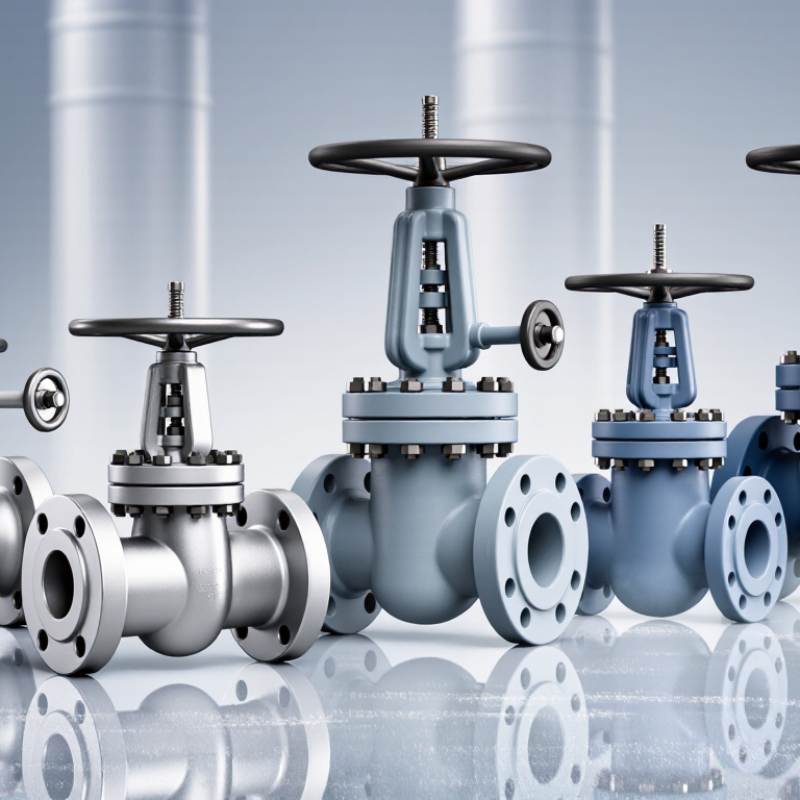
Cryogenic Valve Fundamentals for LNG Service
LNG service exposes valves to temperatures near minus 162°C, where ordinary assumptions about materials and sealing can fail. Cryogenic valve fundamentals start with understanding the full operating range, including cooldown, steady flow, and warm-up. Metal parts contract as they cool, while seats and seals may respond differently. A valve must maintain shutoff without preventing safe thermal movement. Small details matter.
Body and trim materials should suit the fluid, pressure, and temperature. Extended bonnets help keep stem packing away from the cold zone, but their design must also limit heat transfer and support reliable operation. Valve selection depends on more than nominal size: consider flow direction, pressure drop, required leakage performance, and actuator capability. Testing and inspection records provide useful evidence, though they cannot replace sound installation. In practice, site conditions can differ from the specification; that deserves a second look.
Tips: Confirm minimum design temperature, check seal compatibility, and review cooldown procedures. Inspect for frost or unusual leakage after initial operation. Do not assume a cold valve behaves like a warm one.
2026 Best Cryogenic Valves for LNG Applications — Cryogenic Valve Fundamentals for LNG Service
Approximate normal boiling points of selected cryogenic fluids at 1 atmosphere
Why it matters: LNG is a mixture, so its boiling temperature varies with composition and pressure; approximately −162°C is a representative value at atmospheric pressure. Valve materials, seals, and design conditions should be selected for the actual service temperature and pressure, not from boiling point alone.
Main Valve Types Used in LNG Applications
LNG piping uses several valve types, each serving a different purpose. Gate valves commonly provide isolation on larger lines, where low flow resistance matters. Globe valves offer more controlled throttling, though pressure drop can be higher. Ball valves open and close quickly, making them useful for tight shutoff. There is no perfect default.
Check valves help prevent reverse flow through pumps and transfer lines. Their design must suit the flow direction, operating pressure, and low temperatures.
Butterfly valves can serve larger-bore duties, but their suitability depends on pressure, leakage limits, and the specific installation. A valve that works well on one line may be a poor fit on another.
Cryogenic designs need details beyond the valve’s basic type. Extended bonnets place stem packing farther from the cold fluid, helping keep it within a suitable temperature range. Materials and seals must also tolerate thermal contraction without losing strength or tightness. During selection, engineers should review operating conditions, required shutoff performance, and maintenance access. Small details matter. Even with careful specifications, real operating data may reveal that the original choice needs reconsideration.
Materials and Design Requirements for Low-Temperature Operation
At LNG temperatures near -162°C, valve materials must retain toughness rather than become brittle. Austenitic stainless steels are commonly considered, but the grade alone does not prove suitability. Check material certificates, heat treatment, pressure rating, and documented cryogenic qualification for the specific design. Small details matter. A seat that seals well at room temperature may behave differently after repeated cooling and warming.
Design is just as important as material selection. Extended bonnets help keep stem packing away from the cold zone, while suitable clearances accommodate thermal contraction. Body cavities also need careful attention: trapped liquid can expand during warming and create damaging pressure. A neat drawing can still hide a poor drain path. Review flow direction, installation position, leakage limits, and maintenance access before specifying a valve.
Tips: Ask for test conditions, not just a “cryogenic” label. Confirm whether testing covers the assembled valve, expected pressure, and low-temperature operation. Inspect sealing surfaces and stem movement after thermal cycling where practical. There is no perfect material choice; service conditions and verification should guide the final specification.
Performance Standards and Safety Considerations for 2026
2026 Best Cryogenic Valves for LNG Applications
Performance Standards and Safety Considerations for 2026
LNG service can bring valve bodies to about −162°C, where ordinary sealing assumptions quickly fail. The 2025 IGU World LNG Report records global trade of 411.24 million tonnes in 2024, underscoring the scale of equipment operating across loading, storage, and transfer systems. Cold exposes shortcuts. Specify materials, stem extensions, bonnet design, and packing for the actual temperature range and pressure conditions, not just the line’s normal operating point. ISO 28921-1 addresses design and production testing for low-temperature isolation valves; ISO 28921-2 covers type testing. Both provide useful reference points, but project requirements still matter.
For safety, review documented cryogenic tests, pressure-boundary integrity, seat leakage, and thermal-cycle performance. Confirm that test methods and acceptance criteria match the service; a room-temperature pressure test alone cannot show how seals behave after cooling. Leaks matter. Check valve orientation, insulation clearances, actuator capability, and emergency access in the installed layout. During commissioning, inspect accessible joints after cooldown and record any adjustments. A good test report reduces uncertainty, but it cannot reproduce every field condition. That limitation deserves attention, especially where frequent cycling or uneven cooldown may stress components.
2026 Best Cryogenic Valves for LNG Applications – Performance Standards and Safety Considerations for 2026
| Selection dimension | LNG service considerations | Common valve choices | Standards and verification points |
|---|---|---|---|
| Design temperature | LNG boils at approximately −162°C (−260°F) at atmospheric pressure. Specify the minimum design temperature for the actual operating and depressurization cases. | Cryogenic-rated ball, gate, globe, and butterfly valves, selected for the required pressure, flow, and shutoff duty. | State design temperature and pressure in the purchase specification. ISO 28921-1 addresses design, manufacture, and production testing of isolating valves for low-temperature applications. |
| Material suitability | Pressure-containing parts, trim, bolting, and soft goods must remain suitable at the specified minimum temperature. Austenitic stainless steels are commonly used for cryogenic pressure-containing components, subject to code and project requirements. | Material selection depends on pressure class, fluid compatibility, fabrication, and the required low-temperature toughness. | Review material specifications, impact-test requirements where applicable, traceability, and compatibility of non-metallic seats and seals with LNG and the full temperature range. |
| Bonnet extension and insulation | An extended bonnet can keep the stem packing farther from the cold zone and provide space for insulation. Extension length and orientation should suit the installation and expected heat transfer. | Extended-bonnet designs are commonly specified for cold LNG lines; the arrangement varies by valve type and installation. | Confirm bonnet design, packing location, insulation clearance, stem orientation, and access for inspection against the project specification and applicable valve standard. |
| Seat and shutoff performance | Thermal contraction and changes in material properties can affect sealing. Required leakage limits should be defined for the intended service and test conditions. | Ball valves are often used for isolation; gate and globe valves may suit other line and control duties. Selection depends on operating frequency, flow, and shutoff needs. | Specify seat and shell test criteria, test medium, pressure, duration, and allowable leakage. Do not assume a generic test acceptance criterion applies to every LNG duty. |
| Cryogenic testing | Ambient-temperature testing alone does not demonstrate operation and sealing at cryogenic temperature. Testing requirements should reflect the valve design and service risk. | Valves for critical isolation may be specified for low-temperature type testing and/or production testing, as required by the project. | ISO 28921-2 covers type testing of isolating valves for low-temperature applications. BS 6364 is a cryogenic-valve specification that may be referenced where adopted by the project; confirm the applicable edition and scope. |
| External leakage and packing | Stem packing and body joints are potential external leakage paths. LNG releases can create flammable vapor clouds and severe cold-contact hazards. | Use a design and packing arrangement qualified for the specified temperature, pressure, cycling, and emissions requirements. | Define external-leakage limits and any fugitive-emissions requirements in the procurement documents. Include inspection of stem sealing and body joints in the test and maintenance plan. |
| Fire-safe requirements | Fire-safe qualification may be required for valves in areas where fire exposure is a design scenario. It does not replace cryogenic suitability or normal-service leakage testing. | Applicable to selected isolation valves when required by the facility risk assessment, piping specification, or governing code. | ISO 10497 and API 607 provide fire type-testing requirements for valves within their respective scopes. Confirm the specified edition, valve type, and qualification basis. |
| Pressure class and end connections | Select pressure rating and connection type for the design pressure, piping system, temperature derating, and installation loads. | Flanged, butt-weld, or other specified ends may be used, subject to piping design and maintenance requirements. | Check the governing piping code, pressure-temperature ratings, face-to-face dimensions, end preparation, and applicable valve product standard. API 6D may apply to pipeline valves within its scope. |
| Operation and safety | Consider operating torque at minimum temperature, actuator sizing, fail position, access, isolation needs, and the possibility of trapped liquid warming and expanding. | Manual or actuated configurations can be selected according to operating frequency, required response, and safety-instrumented or emergency-shutdown functions. | Assess trapped-liquid thermal relief, safe venting, lockout provisions, actuator margins, and emergency response as part of the facility design and hazard review. |
| Documentation and lifecycle | Reliable LNG service depends on correct installation, commissioning, inspection, and maintenance—not only the valve’s initial specification. | For each valve, retain configuration, materials, test records, operating limits, and maintenance information. | Request material certificates, inspection and test records, low-temperature test documentation when specified, operating instructions, and recommended maintenance intervals. |
Note: Final valve selection and applicable standards depend on the project jurisdiction, piping code, design conditions, and purchaser specification. Verify the current editions and exact scope of all referenced standards before procurement.
How to Evaluate Cryogenic Valves for LNG Systems
For LNG service, valve selection begins with the actual operating envelope, not a catalogue temperature alone. Record minimum and maximum temperatures, pressure, flow direction, and expected cycling. A valve near a cold pipe rack may face different conditions from one handling warmer process gas. Details matter.
Check that the body and trim materials retain suitable toughness at the specified temperature. Review pressure ratings, seat leakage limits, stem sealing, and the design of extended bonnets. That extension helps keep packing farther from the cold zone, but it does not remove the need to assess heat transfer and condensation. Ask for test documentation tied to the valve’s configuration, including materials and pressure class. Generic test claims are less useful.
Actuation deserves the same scrutiny. Estimate torque under operating conditions, then consider start-up, shutdown, and emergency demands. Confirm that access allows inspection and that the actuator can operate reliably in the installation environment. Practical checks often reveal gaps.
Compare maintenance intervals, spare-part availability, and documented service history for similar temperatures and duty cycles. Field records can be incomplete, and that uncertainty should be stated rather than hidden. A selection is only as sound as its assumptions. Teams should revisit those assumptions when operating data changes.
Related Posts
-
Unlocking Efficiency: The Advantages of Utilizing Cryogenic Ball Valves in Industrial Applications
-
How to Choose the Right Gate Valve for Your Project?
-
Advantages of Using Knife Gate Valves in Various Industries
-
How to Choose the Right Angle Globe Valve for Your Needs?
-
What is a Flanged Gate Valve and Why It’s the Best Choice for Your Industrial Needs?
-
China Top Wafer Check Valve Manufacturers and Suppliers?