

- 713.590.1312
- sale@pandbtools.com
Best EV Coolant Heater Options for Electric Vehicles?
Electric vehicles (EVs) are becoming increasingly popular. However, challenges remain, particularly in cold climates. One of the key issues is battery performance in low temperatures. This is where the Ev Coolant Heater comes into play. It helps maintain optimal battery temperature and enhances vehicle efficiency.
The right EV coolant heater can greatly impact your EV's performance. With many options available, how do you choose? Some heaters are more efficient than others. Their design and technology can vary. It’s crucial to research both the features and user reviews carefully.
A well-chosen EV coolant heater can prevent battery degradation. This ultimately saves costs and enhances your driving experience. Still, some drivers might overlook the importance of this component. They may not fully understand how it affects their vehicle’s health. Investing in a quality heater is essential for sustaining electric vehicle longevity.
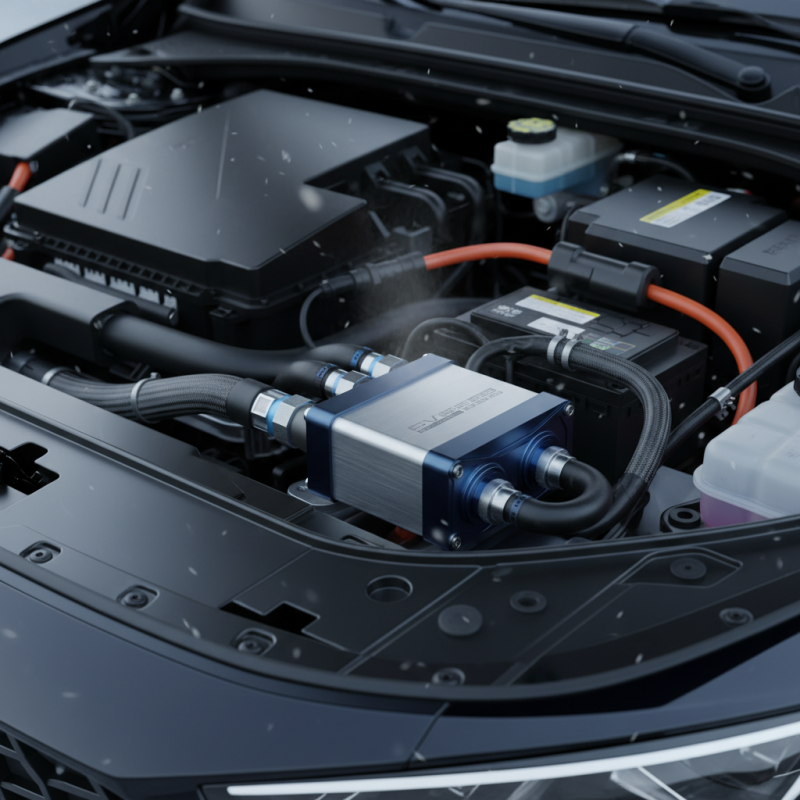
Best EV Coolant Heater Options: Overview of Electric Vehicle Needs
Electric vehicles (EVs) have unique requirements that set them apart from traditional vehicles. Coolant heaters are crucial for maintaining optimal battery temperature. The National Renewable Energy Laboratory (NREL) reports that battery performance can degrade significantly in cold conditions. A well-functioning coolant heater can enhance efficiency and range. Experts suggest that maintaining a temperature around 20°C can improve performance by up to 30%.
EV owners need to consider various factors when selecting coolant heaters. The heating capacity is important. Some heaters operate effectively in temperatures as low as -30°C. Others may not provide adequate heat under severe conditions. Additionally, energy consumption matters. A balance between heating performance and energy efficiency is essential. High energy use can significantly reduce the vehicle's overall range.
Not all coolant heaters are created equal. Many are still in development. Testing and innovation are needed in this field. Transitioning to EVs involves challenges related to heating systems. Reports indicate that many current options fall short of ideal performance. Consumers must research thoroughly to find solutions that meet their needs.

Understanding the Functionality of Coolant Heaters in EVs
Coolant heaters play a vital role in electric vehicles (EVs). These systems provide necessary cabin heat while ensuring battery efficiency. Industry reports indicate that over 50% of EV owners report decreased range in cold weather due to battery efficiency dropping by 20% to 30%. An efficient coolant heater can help mitigate this.
The functionality of coolant heaters is quite simple yet crucial. They circulate heated coolant through the cabin and battery system. This process not only warms the interior but also maintains optimal battery temperatures. In this context, maintaining battery health is key. Studies show that battery longevity decreases significantly without proper thermal management.
However, not all coolant heaters perform equally. Some systems can lead to energy wastage, potentially affecting overall efficiency. It's essential for EV manufacturers to focus on integrating systems that enhance thermal regulation. Finding a balance between warmth and energy conservation is challenging. Even small improvements in heater efficiency can lead to significant gains in range and comfort, particularly in harsh climates.
Key Features to Consider When Selecting an EV Coolant Heater
When choosing an EV coolant heater, several key features come into play. First, consider the power output. A higher wattage means quicker heating. This can be crucial for efficient vehicle performance in cold weather. However, ensure your vehicle's electrical system can handle the extra load.
Compatibility is another important factor. Not all heaters fit every EV model. Check the specifications to ensure a perfect match. Installation ease matters too. Some may require professional help, while others are DIY-friendly. This choice can significantly affect your time and cost.
Tip: Always read user reviews to gauge performance in real-world conditions. These insights can help uncover hidden issues and advantages.
Thermal efficiency is vital as well. Look for heaters that efficiently convert power to heat. This will conserve energy and enhance driving range. Also, think about noise levels; some units operate quietly, while others may be disruptive.
Tip: Prioritize units with adjustable settings. This gives you control based on the weather. Flexibility ensures maximum comfort and makes your driving experience better in various conditions.
Market Leaders and Innovations in EV Coolant Heating Technology
The electric vehicle (EV) market is rapidly evolving. One key area of innovation is coolant heating technology. EV coolant heaters are essential for ensuring optimal battery performance in cold conditions. Traditional heating methods often fall short. Many engineers are exploring new materials and designs for better efficiency.
Current trends focus on lightweight heaters that can quickly warm coolant. Some systems utilize advanced sensors for precise temperature control. This allows for energy savings. Mind you, the integration of these technologies comes with challenges. High costs and complexity may hinder widespread adoption. Moreover, testing environments vary greatly. This can lead to inconsistent performance across different models.
Innovative companies are striving to address these issues. They aim to balance cost and efficiency. However, it remains to be seen if they can meet growing demands. The push for sustainability might complicate development. Consumers expect high performance without sacrificing environmental values. This is a tough balance to strike.
Best EV Coolant Heater Options for Electric Vehicles
| Heater Type | Power Output (kW) | Heating Time (minutes) | Efficiency (%) | Weight (kg) | Features |
|---|---|---|---|---|---|
| Ceramic Heater | 3.0 | 15 | 90 | 1.5 | Compact Design, Quick Response |
| PTC Heater | 4.0 | 12 | 85 | 2.0 | Self-regulating, High Reliability |
| Induction Heater | 5.0 | 10 | 92 | 3.0 | Fast Heating, Lightweight |
| Resistive Heater | 2.5 | 20 | 80 | 4.5 | Cost-effective, Simple Design |
| Heat Pump | 6.0 | 8 | 95 | 5.0 | Energy-efficient, Versatile Operation |
Comparative Analysis of Efficiency Ratings and Performance Metrics
Electric vehicles (EVs) require efficient heating systems to maintain battery performance in cold weather. Coolant heaters play a vital role here. They can directly affect an EV's range and efficiency. Some heaters rely solely on electrical energy, while others use innovative heat exchange methods. Understanding these differences is crucial for potential buyers.
When evaluating coolant heaters, factors like energy consumption and heat output must be analyzed. Efficiency ratings provide insights into how much energy is wasted. For instance, some models may claim high output but consume excessive power. Performance metrics reveal the time needed to heat the cabin. A heater that takes too long can lead to discomfort.
However, the complexity of these systems can be overwhelming. The best options for one vehicle may not fit another. Conducting thorough research is necessary. Real-world user experiences tend to reveal strengths and weaknesses not visible in specifications. The decision can be daunting, but it’s essential to weigh efficiency and performance carefully before investing in a coolant heater.