
China Best Storm Window Manufacturer for Global Buyers

Choosing a China Storm Window manufacturer requires more than comparing prices on a product page. Global buyers need evidence of manufacturing experience, material control, testing practices, and dependable communication. A capable supplier should explain frame options, glass thickness, low-E coatings, drainage paths, weatherstripping, and hardware performance in clear technical language. Product samples matter. A small sample can reveal corner finishing, seal compression, coating consistency, and installation accuracy better than polished photographs.

This guide examines how international buyers can evaluate Chinese manufacturers for residential, commercial, and renovation projects. It considers factory capability, customization, quality inspection, packaging, production schedules, and after-sales support. Buyers should request drawings, test reports, sample approvals, and references from comparable projects. Certifications can support credibility, but they should be verified for the exact product and market. Standards also vary by country. One checklist cannot fit every building climate or installation method.

Details reveal reliability.

Experienced manufacturers usually identify risks before production begins. They may ask about wind exposure, opening sizes, coastal humidity, thermal goals, and shipping conditions. However, no factory is perfect. A large catalog does not guarantee consistent quality, and a low quotation may exclude testing, tooling, or protective packaging. Honest evaluation includes these weaknesses. The best partnership develops through documented specifications, measurable inspections, realistic lead times, and responsive problem solving. For global buyers, the right Storm Window supplier is not simply the cheapest option. It is the manufacturer that can repeatedly deliver suitable products, clear records, and practical support.
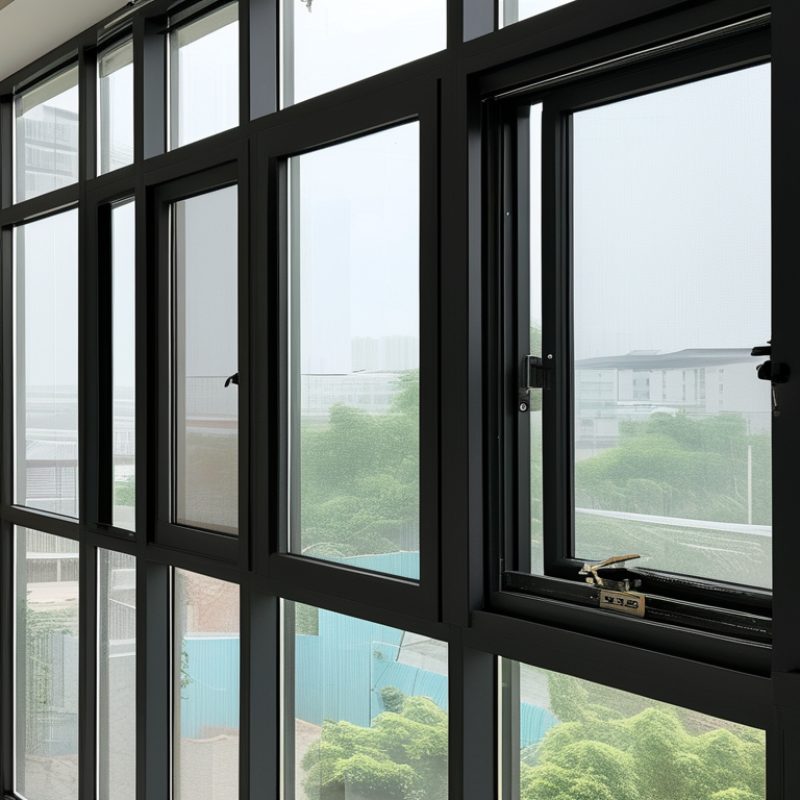
China Best Storm Window Manufacturer for Global Buyers

Storm Windows: Definition, Functions, and Key Product Types

Storm Windows: Definition, Functions, and Key Product Types

Storm windows are secondary window panels installed outside, inside, or between existing glass layers. They create an additional air space around the primary window. This space can reduce heat transfer, outside noise, drafts, and water penetration. In coastal regions, properly fitted storm windows may also help protect against wind-driven rain and flying debris. However, they are not a replacement for certified impact-resistant systems in severe weather zones.

Common types include exterior storm windows, interior storm windows, and temporary removable panels. Exterior models usually use aluminum, vinyl, or durable composite frames. Interior panels are often lighter and easier to install without changing the building’s exterior.

Fixed systems suit long-term insulation needs, while removable designs support seasonal use. Some products include low-emissivity glass, screens, drainage channels, or adjustable fasteners.

Details matter.

During product evaluation, global buyers should check frame strength, glass thickness, gasket quality, drainage design, and air-leakage performance. Accurate measurements are essential because a small gap can weaken insulation and allow rattling during strong winds.

A capable manufacturer should provide clear drawings, test data, packaging standards, and installation guidance. Factory experience also matters when products must match different window sizes and climate conditions.

No storm window solves every problem. Even well-designed units may perform poorly when the original frame is damaged, installation is rushed, or maintenance is ignored.


Why China Is a Major Source of Storm Window Manufacturing

China has become a major source of storm window manufacturing because its supply chain is broad and closely connected. Glass processors, aluminum extruders, seal producers, and hardware factories often operate within the same industrial regions. This reduces coordination time and supports competitive production costs. Buyers can request fixed dimensions, reinforced frames, laminated glass, or special coatings for different climates. Small details matter.

From practical sourcing experience, dependable factories usually provide drawings, sample units, material certificates, and test reports before mass production. They can also adjust frame depth, drainage holes, locking systems, and packaging for long-distance shipping. Modern workshops often use automated cutting and CNC equipment, while skilled workers inspect corners, gaskets, and surface finishes. This combination supports consistent results, especially for large residential or commercial orders.

However, China is not automatically the best choice for every project. Supplier quality can vary sharply between factories. A low quotation may hide thinner profiles, weaker seals, or limited after-sales support. Buyers should review production records, inspect samples, confirm testing requirements, and arrange independent quality checks. Communication may still create mistakes, even with clear drawings. That part deserves more attention. When technical verification and honest factory evaluation are handled carefully, Chinese manufacturers can offer practical storm window solutions with reliable customization and scalable production.

How to Evaluate a Reliable Chinese Storm Window Manufacturer

China Best Storm Window Manufacturer for Global Buyers

How to Evaluate a Reliable Chinese Storm Window Manufacturer

Choosing a reliable Chinese storm window manufacturer requires more than comparing prices. I have learned that a polished website proves very little. Ask for the factory address, production photos, and a live video inspection. Confirm whether the facility makes windows or only resells them. This distinction affects quality control, lead times, and problem solving.

Request detailed drawings before ordering samples. Check frame thickness, glass composition, drainage holes, locking points, and gasket material. A dependable manufacturer should explain these details clearly. Ask for test reports covering air leakage, water penetration, wind resistance, and thermal performance. Verify the testing laboratory and report dates. Generic certificates deserve careful questions. Sometimes, they hide outdated specifications.

Sample evaluation should include opening and closing the window repeatedly. Inspect corner joints, surface finish, screw placement, and seal compression. Place the sample near a noisy street, if possible. Notice vibration and operating sound. Also review packaging, replacement parts, warranty terms, and inspection procedures. A strong supplier welcomes independent pre-shipment inspection. Communication matters too. Replies should be specific, consistent, and technically useful. Yet no manufacturer is perfect. Small measurement errors can still appear during mass production. I would begin with a limited order, document every requirement, and keep approved samples for comparison. That approach feels slower, but it reduces expensive surprises.

Manufacturing Standards, Customization, and Quality Control

China Best Storm Window Manufacturer for Global Buyers

Manufacturing Standards, Customization, and Quality Control

A reliable storm window manufacturer treats standards as production tools, not brochure language. The 2023 Global Status Report for Buildings and Construction states that buildings consume about 30% of global final energy. Better window performance can therefore support measurable efficiency goals. The U.S. Department of Energy also estimates that windows may cause 25–30% of residential heating and cooling energy use. Our production approach focuses on tested air leakage, water resistance, thermal performance, and safe operation. Relevant procedures include ASTM E283 for air leakage and ASTM E331 for water penetration. NFRC-style U-factor and solar heat gain evaluations can further improve comparison between products. Results must be traceable.

Customization begins with the opening, not the catalogue. Buyers can specify frame depth, glass thickness, mesh type, coating, color, hardware, and packaging. Coastal projects may need stronger corrosion resistance. Cold regions may require low-emissivity glass and tighter seals. However, customization is not automatically improvement. A thicker frame can reduce daylight. A special coating may increase cost without matching the climate. This is where technical review matters.

Tips: Request sample units, test reports, material certificates, and batch records before ordering. Check corner joints, gasket compression, drainage holes, and screen tension by hand. Keep one approved sample for production comparison. It sounds basic, but many problems begin there. Quality control should include incoming inspection, first-piece approval, in-process checks, final testing, and photographic records. No factory is perfect; honest suppliers should show what they measure, what failed, and how they corrected it.

China Best Storm Window Manufacturer for Global Buyers - Manufacturing Standards, Customization, and Quality Control

Typical center-of-glazing U-factor benchmarks show how storm-window configurations can improve thermal performance. Lower U-factor values indicate better insulation. Values are approximate reference figures commonly used in international window-performance discussions.

Export Services, Pricing Factors, and Global Buyer Considerations

China Best Storm Window Manufacturer for Global Buyers

Choosing a China-based storm window manufacturer requires more than comparing unit prices. The U.S. Department of Energy reports that low-emissivity storm windows can reduce heating and cooling costs by 12% to 33%, depending on the existing window. Product performance therefore affects lifetime value. Ask for U-values, solar heat gain coefficients, air-leakage results, and independent test records. A cheap frame with weak seals may become expensive during the first winter.

Export pricing usually combines frame material, glass thickness, low-E coating, hardware, tooling, packaging, inspection, and freight. Container quantity matters. So do destination duties and the selected Incoterm under ICC Incoterms 2020. Wooden crates may protect large units better, but they increase volume and shipping costs. Experienced suppliers should provide drawings, sample approval, carton markings, and a clear production schedule. Mistakes still happen. A missing drainage detail can delay installation.

Global climate conditions also deserve attention. The International Energy Agency states that buildings consume about 30% of global final energy. Buyers in cold regions may prioritize insulation, while coastal markets need stronger corrosion resistance. Confirm local certification requirements before production. The World Bank’s 2023 Logistics Performance Index also shows why customs handling and delivery reliability matter, not just factory location. Request batch photos, pre-shipment inspection, and replacement terms in writing. Certification alone is not proof of consistent quality.

China Best Storm Window Manufacturer for Global Buyers - Export Services, Pricing Factors, and Global Buyer Considerations

Data Dimension Typical Industry Data or Benchmark Export Service Expectation Global Buyer Consideration
Product Types Aluminium, uPVC, timber, interior removable, exterior fixed, and magnetic storm-window systems are common categories. Technical drawings, section profiles, glazing specifications, installation instructions, and sample approval. Select the material according to climate, building structure, corrosion exposure, maintenance requirements, and local fire regulations.
Indicative Product Price For planning only: approximately USD 35–90/m² for basic aluminium systems and USD 45–110/m² for common uPVC systems, before freight, taxes, installation, and project-specific upgrades. A formal quotation should separate product cost, tooling, packaging, testing, documentation, inland transport, and international freight. Actual pricing changes with dimensions, profile depth, glass type, hardware, finish, quantity, order terms, and destination.
Glass and Glazing Options Common options include single glazing, insulating glass units, laminated glass, tempered glass, low-emissivity coatings, and safety glazing combinations. Provide glass build-up, thickness, spacer details, coating position, safety classification, and applicable test reports. Confirm whether the target market requires impact resistance, safety glazing, thermal performance, or solar-control performance.
Thermal Performance U-factor is normally reported in W/m²·K or Btu/h·ft²·°F; lower U-factor generally indicates better heat-transfer resistance. Request whole-window performance data rather than relying only on the centre-of-glass value. Use the calculation or certification method required by the destination code, such as NFRC or EN-based procedures.
Solar and Light Performance Solar Heat Gain Coefficient (SHGC) ranges from 0 to 1; lower values reduce solar heat gain, while visible transmittance indicates daylight transmission. Provide calculated or tested SHGC and visible-transmittance data for the complete window assembly where required. Hot climates may prioritize lower SHGC, while cold or low-light climates may prioritize daylight and passive solar gain.
Air Leakage Air leakage is commonly evaluated using ASTM E283/E283M or equivalent regional methods; lower leakage generally indicates better airtightness. Testing should use a defined specimen size, pressure difference, test method, and reporting unit. Check the local code limit and make sure the reported result applies to the complete assembled product.
Water Penetration Water-resistance testing is commonly associated with ASTM E331/E331M or comparable regional standards. Confirm test pressure, specimen configuration, drainage design, and pass/fail criteria in the report. Wind-driven rain, coastal exposure, façade height, and installation quality can significantly affect field performance.
Structural and Wind Load Structural testing may use ASTM E330/E330M or an equivalent standard; required design pressure depends on location, building height, exposure, and opening size. Request design-pressure calculations, anchoring details, mullion information, and test evidence for the intended configuration. Do not apply a generic wind rating to different sizes or installation conditions without engineering review.
Surface Finish and Corrosion Powder coating, anodizing, and painted finishes are widely used for aluminium; performance depends on pretreatment, film thickness, and exposure. Specify colour reference, gloss level, coating system, finish tolerance, inspection method, and corrosion-test requirements. Marine and high-humidity environments require stricter material selection, drainage design, fasteners, and finish controls.
Customization and Tooling Custom profiles, dies, colours, hardware, screens, glazing beads, and mounting systems may require engineering or tooling charges. Clarify whether drawings, prototypes, samples, and tooling ownership are included in the commercial offer. Review the expected annual volume before approving a custom profile; low quantities may have a higher unit cost.
Minimum Order Quantity Commonly negotiated quantities may range from small sample orders to several hundred units, depending on the profile, finish, and production method. Ask for separate sample, trial-order, and production-order terms. Confirm whether mixed sizes, colours, and glazing specifications can be consolidated within one order.
Lead Time A practical planning allowance is often 3–8 weeks after technical approval and deposit; custom tooling, testing, holidays, and large projects can extend this period. Use a production schedule covering drawing approval, sample approval, material preparation, fabrication, inspection, and dispatch. Build in time for destination permits, port congestion, customs clearance, and local installation coordination.
Packaging and Container Loading Windows are commonly protected with corner guards, foam, separators, cartons, pallets, or reinforced crates; packing density depends on size and glass configuration. Request packing photos, package dimensions, gross weight, net weight, and loading plans before shipment. Compare freight by both volume and weight, and confirm whether packaging is suitable for long-distance multimodal transport.
Trade Terms and Freight EXW, FOB, CIF, and DAP are commonly discussed under Incoterms® 2020; cost and risk transfer points differ by term. The quotation should state the named place or port, currency, validity period, freight basis, insurance responsibility, and excluded charges. Choose the term according to the buyer’s import capability, customs responsibility, insurance needs, and control over freight.
Export Documentation Typical documents include commercial invoice, packing list, transport document, sales contract, certificate of origin where applicable, and product test documents. Document names and formats should match the destination customs, certification, and project requirements. Verify import permits, duty rates, product classification, language requirements, and documentary rules before placing the order.
Quality Control Inspection points may include dimensions, diagonal tolerance, glass condition, hardware operation, finish quality, labels, packaging, and quantity. Use an approved sample, inspection checklist, inspection photos, and corrective-action process before shipment. Define acceptance tolerances and the remedy for defects before production rather than relying only on a general warranty.
Warranty and After-Sales Support Warranty coverage commonly distinguishes frames, hardware, glass, finish, seals, and installation; exclusions vary by contract. Obtain written warranty duration, claim procedure, replacement-part policy, and responsibility for installation-related issues. Confirm availability of replacement hardware, gaskets, rollers, screens, and compatible glazing components in the destination market.

Note: Price ranges, lead times, quantities, and performance expectations are indicative planning benchmarks only. Final specifications and costs must be confirmed through project drawings, applicable local regulations, testing requirements, shipping conditions, and a written quotation.

REQUEST A QUOTE

Menu
[all-fields]