Top Artificial Lift Technologies You Should Know About?
In the world of oil and gas, understanding Artificial Lift Technologies is crucial. These methods enhance the flow of fluids from wells. They play a vital role in maximizing production efficiency. Many operators rely on various technological solutions to address specific challenges.
Artificial Lift Technologies come in different forms, each with unique advantages and limitations. For instance, some methods excel in specific environments but may not be ideal under all conditions. This variability requires careful consideration. We must understand when to apply each technique effectively. This complexity invites ongoing discussion and evaluation within the industry.
The effectiveness of these technologies often requires further inspection. Innovations emerge regularly, but some solutions may become obsolete quickly. Thus, staying updated is essential. Operators should question existing practices and remain open to adapting new methods. The ongoing evolution of Artificial Lift Technologies is both a challenge and an opportunity for the future of energy production.
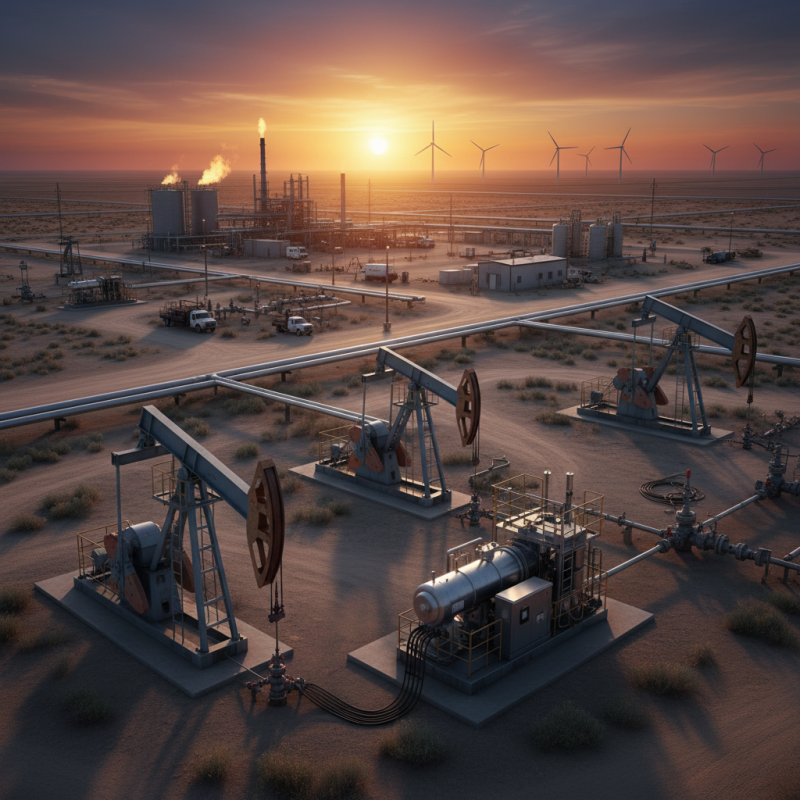
Overview of Artificial Lift Technologies in Oil Production
Artificial lift technologies play a crucial role in oil production. They help enhance the flow of oil from wells, increasing extraction rates. Among various methods, Artificial Lift Systems ensure that even low-pressure wells can produce efficiently.
One popular technique is the use of electric submersible pumps (ESPs). These pumps are submerged in the well and help lift fluid to the surface. They work well in high-volume applications. However, maintenance can be challenging, and they may not be suitable for all wells. Regular monitoring is essential.
Another method is gas lift, which uses injected gas to lower the density of the fluid column. This method can be effective, but it requires a source of high-pressure gas. When gas supply is limited, production can suffer. It’s important to evaluate the costs and benefits closely.
Tips: Always assess the well conditions before choosing a lift method. Each technology has its strengths and weaknesses. Make adjustments based on field performance data. Engaging with engineers can provide insights into optimizing production. Be prepared for unexpected challenges. Flexibility is key in oil production.
Common Types of Artificial Lift Systems Used in the Industry
Artificial lift systems play a vital role in enhancing oil and gas production. Common types include rod pumps, electric submersible pumps (ESPs), and gas lift systems. Each technology serves a unique purpose. Rod pumps, for instance, are widely used in low-flow wells. They involve a surface unit connected to a rod string that operates downhole pumps. A report from the Society of Petroleum Engineers notes that these pumps can maintain production rates of approximately 10 to 50 barrels per day in many applications.
Electric submersible pumps are another key technology. They are submerged in the well and can pump fluids to the surface. ESPs are efficient for high-production wells. According to Oil & Gas Journal, ESPs can boost production by over 100% in some cases. However, they require significant energy and maintenance. The complexity of these systems can lead to operational challenges, increasing costs for operators.
Gas lift systems utilize injected gas to reduce the density of the fluid column. This method enhances flow rates in many types of wells. A recent study shows that gas lift can improve overall production by up to 60%. However, the reliance on gas supply introduces potential hazards and fluctuations in performance. Each technology has strengths and weaknesses, leading operators to evaluate their specific needs carefully.
Advantages and Disadvantages of Each Artificial Lift Method
Artificial lift methods are crucial for enhancing oil and gas production. Each method has unique advantages and disadvantages that impact their effectiveness.
For example, beam pumping systems are widely used. They are reliable and simple. However, they require regular maintenance. This can lead to unscheduled downtime, which affects production. Another option, electric submersible pumps (ESPs), are efficient in high-volume applications. They can operate in various conditions. Still, they have high initial costs and can fail without warning.
Progressive cavity pumps (PCPs) are known for their versatility. They work well in heavy oil applications. Nevertheless, they may struggle with abrasive materials. Choosing the right artificial lift technology is not easy. It often requires a deep understanding of the reservoir's characteristics and ongoing monitoring. Each method demands careful consideration of both benefits and pitfalls.
Key Factors Influencing the Selection of Artificial Lift Technology
When choosing artificial lift technology, several key factors come into play. Understanding well depth and production rates is crucial. The characteristics of the reservoir significantly affect the lift method. High-viscosity fluids may call for different solutions. Pump selection is not just about efficiency; it's also about compatibility with the existing system.
Another factor to consider is operational costs. Installation, maintenance, and energy consumption impact the overall budget. Operators must weigh these costs against potential production gains. Moreover, each technology comes with its unique complexities. Some solutions require extensive training for the workforce.
Environmental considerations should not be overlooked. The carbon footprint of certain technologies can influence choices. Striking a balance between extraction efficiency and environmental responsibility is challenging. Frequent adjustments may be needed to adapt to changing conditions in the field. Understanding these nuances can lead to more informed decisions.
Future Trends and Innovations in Artificial Lift Technologies
Artificial lift technologies are evolving rapidly. The push for efficiency drives innovations. Many operators seek sustainable solutions. Future trends indicate a focus on automation and real-time data use. Smart systems will adjust to changing conditions seamlessly. This may lead to more stable production rates.
Additionally, renewable energy integration is gaining traction. Solar and wind energy could power artificial lift systems. This shift may reduce carbon footprints significantly. However, challenges remain. For instance, not all locations can harness these energy sources effectively.
There is also a growing emphasis on digital twin technology. Creating virtual replicas of lift systems can optimize performance. Yet, implementation requires skilled personnel. Training gaps need addressing for widespread adoption. New technologies promise much, but they create a need for continuous learning and adaptation.
Top Artificial Lift Technologies