What is an Angle Globe Valve and How Does it Work?
The Angle Globe Valve is a critical component in fluid control systems, known for its unique design that optimizes flow direction and pressure regulation. According to a recent report by the Valve Manufacturers Association, the global valve market is projected to reach $80 billion by 2026. This highlights the growing demand for reliable and efficient valve solutions like Angle Globe Valves.
Industry expert Dr. Helen Carter notes, “Angle Globe Valves are ideal for applications that require precise flow control.” This statement underscores the valve's importance in sectors such as oil and gas, water management, and chemical processing. The design allows for smooth operation and reduced turbulence, making it preferred by many engineers.
However, challenges remain. Many users may overlook maintenance, which can lead to efficiency losses over time. As a result, understanding the operational aspects of Angle Globe Valves becomes crucial. This insight can contribute to better performance and resource management. It is vital for professionals in the field to reflect on their usage and maintenance practices consistently.
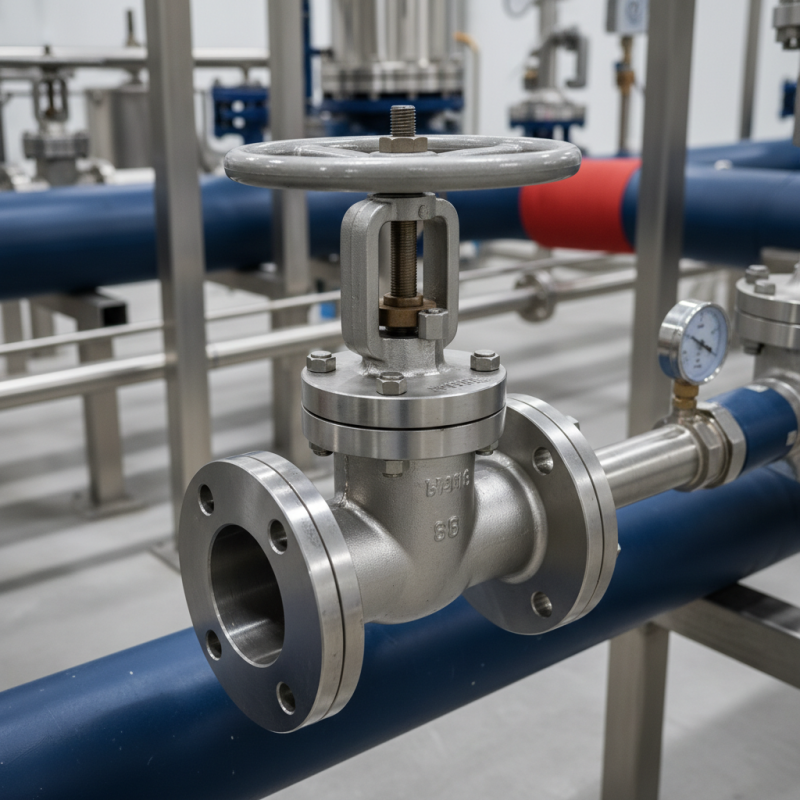
What is an Angle Globe Valve and Its Key Characteristics
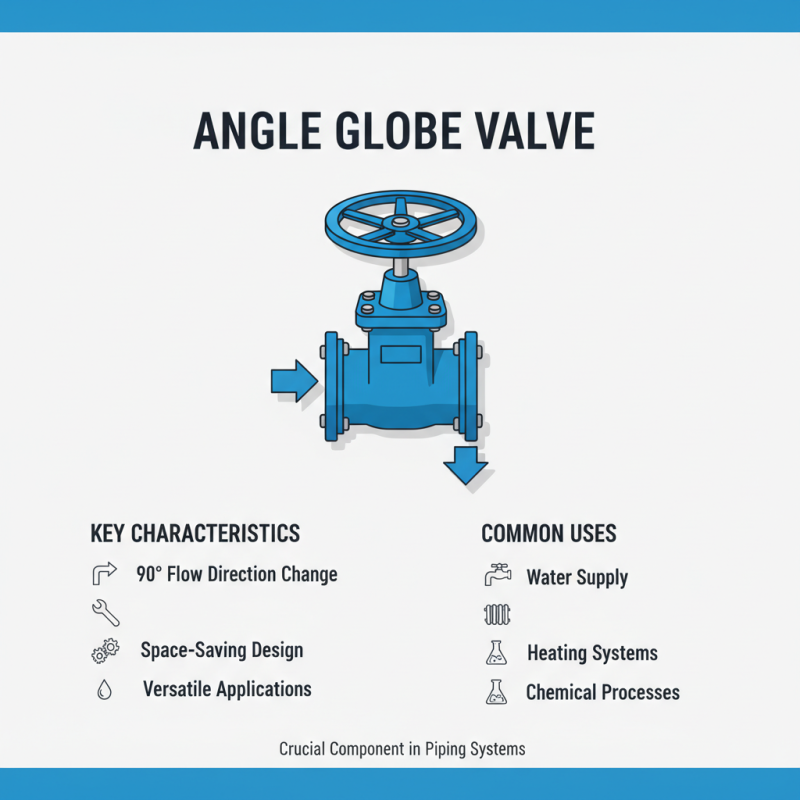
An angle globe valve is a crucial component in various piping systems. These valves have a unique design that allows fluid flow to change direction at a 90-degree angle. This feature makes them particularly useful in spaces where a straight valve would not fit. They are commonly used in applications like water supply, heating systems, and chemical processes.
One key characteristic of angle globe valves is their ability to control flow effectively. The internal components, such as the valve seat and disc, work together to provide reliable throttling. This mechanism allows operators to adjust the flow rate accurately. Additionally, angle globe valves are designed to withstand high pressure and temperature, which enhances their durability and performance in demanding environments.
Despite their advantages, angle globe valves may have some drawbacks. They can create resistance to flow, leading to pressure drops. Maintenance is essential as sediment buildup can impact their efficiency. Understanding these factors is vital when selecting the right valve for specific applications. It's important to weigh the benefits against potential challenges to ensure optimal system performance.
Historical Development and Evolution of Angle Globe Valves
The angle globe valve has undergone significant changes since its inception. Initially developed in the late 19th century, this valve type was designed for better flow control. Early models often faced challenges, such as leakage and insufficient sealing. Improvements over the decades led to a deeper understanding of material science and engineering principles. Today, angle globe valves are more reliable, boasting better longevity and efficiency.
According to a report by Global Market Insights, the industrial valve market is projected to surpass $100 billion by 2025. This growth is driven by increased demand in sectors like oil, gas, and water treatment. Angle globe valves play a critical role in regulating flow, emphasizing the importance of their historical development. Innovative designs and advanced manufacturing techniques have enhanced performance. However, some industry experts warn that not all modern valves meet safety standards. Continuous reevaluation of valve designs helps maintain high reliability.
Maintaining an awareness of the evolution of angle globe valves can guide current practices. While manufacturers focus on performance, the historical context offers valuable insights. It highlights the ongoing need for improvements in sealing technology and material durability. The contributions of earlier designs remind engineers of the challenges that still need addressing today.
How Angle Globe Valves Operate: Mechanism and Functionality
Angle globe valves are essential for regulating fluid flow in various systems. Their unique shape allows for efficient flow control while minimizing turbulence. The valve's design involves a disc mounted on a seat, with a stem that raises or lowers the disc to open or close the flow path. This simple yet effective mechanism ensures precise control over the fluid, making angle globe valves popular in industries such as waterworks, power generation, and chemical processing.
The functionality of angle globe valves is noteworthy. When fully open, they provide a straight path for fluid. This feature reduces pressure drop significantly compared to traditional globe valves. According to a recent report by the International Journal of Engineering Research and Applications, using angle globe valves can lead to a 15% increase in system efficiency. Their design also enables easy maintenance, which is vital for extending the life of the system.
Tip: Regular maintenance checks can prevent leaks and ensure optimal performance. Frequent inspections may reveal wear and tear that could compromise function. Keep records of maintenance to track valve performance over time. Understanding how these valves operate can lead to better decision-making in system design and fluid management.
Advantages of Using Angle Globe Valves in Industrial Applications
Angle globe valves are increasingly used in industrial applications due to their unique design. This design allows for fluid flow control at various angles. They can reduce the risk of cavitation. This is critical in high-pressure systems. According to a recent industry report, angle globe valves can improve flow efficiency by up to 30%. Their ability to minimize turbulence enhances performance in vital processes.
These valves are typically favored in applications requiring reliable regulation. Their construction allows for easier maintenance than traditional globe valves. They operate well in systems where space is limited. This is essential in modern industrial settings. The angle design supports better alignment with pipeline systems, thus reducing installation complications.
Tips: When selecting angle globe valves, consider the specific requirements of your system. A fitting valve type can prevent costly downtime due to equipment failure. Regular maintenance checks are crucial. They ensure optimal performance and longevity for these components. Be aware that improper installation may lead to flow issues. Proper training for installation staff can mitigate this risk.
Common Materials and Standards for Angle Globe Valve Manufacturing
Angle globe valves are essential components in many industrial systems. They control fluid flow with precision. The materials used in their manufacturing significantly affect performance and longevity. Common materials include stainless steel, brass, and cast iron. Each material has specific properties that make it suitable for various applications. For example, stainless steel is highly resistant to corrosion. This makes it ideal for harsh environments.
When selecting a valve, consider the operating conditions. Think about pressure, temperature, and chemical compatibility. Using the wrong material may lead to valve failure. Manufacturers often follow international standards like ASTM and ASME. These standards ensure quality and safety in valve design and production.
Tip: Regular maintenance can prolong the life of your angle globe valve. Inspect seals and connections periodically. This prevents leaks and ensures optimal performance.
Be aware that not all globe valves are created equal. Sometimes, material quality can vary, even among reputable suppliers. Research and ask questions. Ensure that your valve meets the specific requirements of your application. This is crucial for achieving desired performance.