

- 713.590.1312
- sale@pandbtools.com
7 Tips for Buying an Electric Tricycle
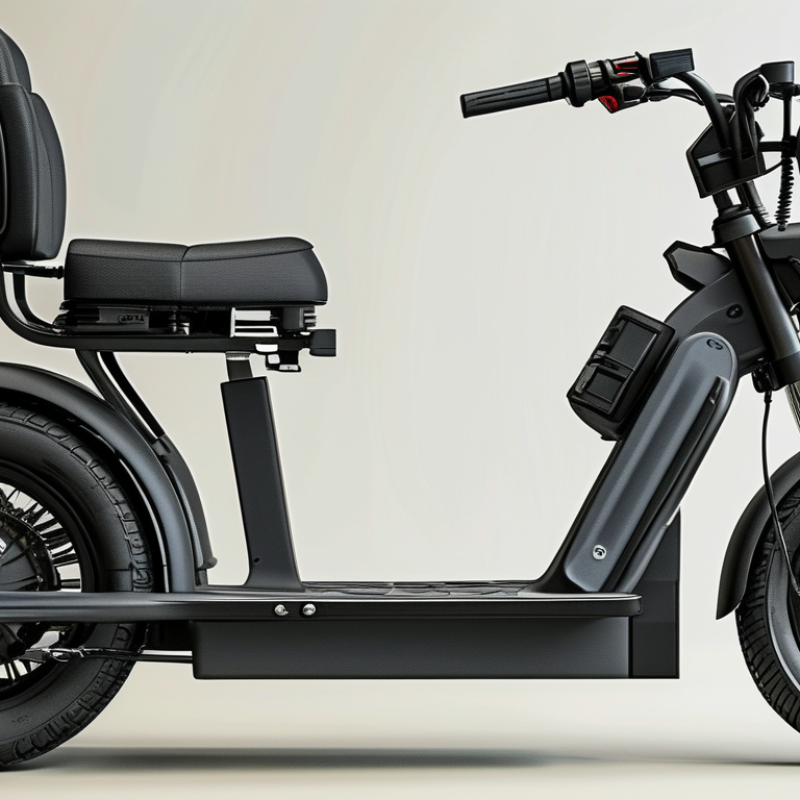
Buying an electric tricycle can feel simple until real choices appear. Battery range, frame strength, braking performance, and storage design all affect daily use. This guide introduces seven practical tips for choosing an Electic Tricycle with confidence. It focuses on details that matter beyond attractive photos and advertised speed.
Start by matching the tricycle with your routine. A short grocery trip needs different features from a daily commute or mobility journey. Check the manufacturer’s range claims carefully. Hills, rider weight, tire pressure, temperature, and cargo can reduce actual distance. Leave a safety margin. You may need more battery capacity than expected.
Examine the frame, seat position, pedals, and handlebar before buying. A low step-through frame can make mounting easier. Wide rear wheels may improve stability, but they also need more turning space. Test the brakes on a quiet, level surface. Ask whether replacement batteries, tires, and controllers are readily available. Service access matters.
Small details often decide comfort.
Review the payload rating, warranty terms, charger quality, and return policy. Compare independent reviews with dealer information, and question claims that lack testing evidence. A local test ride can reveal steering habits that specifications cannot show. Some buyers focus too much on motor power and overlook weight, parking space, or charging access. That is an easy mistake. Think about rain protection, visibility, locking options, and storage before committing. No model is perfect. Careful comparison simply reduces expensive surprises and helps you choose a safer, more practical ride.
Define Your Transportation Needs and Intended Riding Conditions
7 Tips for Buying an Electric Tricycle
Define your transportation needs before comparing motors, batteries, or accessories. A useful starting point is your daily route. The Federal Highway Administration’s 2022 National Household Travel Survey found that 52% of trips are three miles or shorter. If your trips involve groceries, school runs, or tools, measure cargo volume and weight carefully. A small basket may look practical in a showroom, then fail beside two full bags.
Riding conditions matter just as much. Check hills, road surfaces, drainage, traffic speed, and available parking. A 10-mile flat route differs greatly from a five-mile route with steep inclines and loose gravel. Ask for the tricycle’s rated load, braking performance, turning width, and expected range under realistic weight.
Manufacturer range figures often assume light loads, moderate speeds, and favorable weather. Real life is less polite. I once underestimated storage space; that mistake would be expensive on a daily commute.
Weather and traffic deserve equal attention. Confirm whether the frame, battery housing, lights, and controls are designed for wet conditions. Avoid assuming that three wheels automatically mean perfect stability, especially on sloped roads or sharp turns.
The U.S. Consumer Product Safety Commission reported an estimated 233,870 emergency-department-treated injuries involving e-bikes, e-scooters, and hoverboards from 2017 through 2022. The data is not tricycle-specific, but it reinforces careful route planning, visible lighting, and controlled speeds.
Research from your actual streets, not only the showroom floor.

Compare Electric Tricycle Designs, Sizes, and Passenger Capacity
7 Tips for Buying an Electric Tricycle
Compare Electric Tricycle Designs, Sizes, and Passenger Capacity
Electric tricycles differ sharply in stability, comfort, and daily practicality. A delta design has two rear wheels and often carries more cargo. A tadpole design places two wheels in front, improving steering confidence. Try both layouts on a quiet, uneven surface. Handling can feel surprisingly different.
Measure your storage area before choosing a frame. Record doorway width, turning space, and lift height. A compact model suits narrow paths and small garages. Larger frames may offer better seating, but they need more room. Check the step-through height, too. A low entry helps older riders and passengers.
Passenger capacity requires careful judgment. Two seats do not always mean two adults can ride comfortably. Check the stated weight limit, seat width, footrest position, and rear suspension. Leave capacity for bags if grocery trips are common. A child seat may change the balance and braking distance. Test the brakes with a realistic load, not an empty tricycle.
Battery placement also affects stability. A low-mounted battery usually feels steadier during turns. Compare wheel size, tire width, lighting, and mirror visibility. Larger tires can soften rough pavement, while smaller wheels may improve maneuverability. Do not trust impressive specifications alone. I once underestimated handlebar width and struggled through a narrow gate. A simple measurement would have prevented that mistake. Sit on the tricycle, load the seats, and make several slow turns before buying.
Check Motor Power, Battery Range, Charging, and Replacement Costs
When buying an electric tricycle, motor power should match your real routes, not the highest number on a listing. A moderate motor may handle flat streets well, while hills, cargo, and frequent starts demand stronger assistance. During a test ride, watch how quickly the tricycle moves from a stop with a loaded basket. It should feel controlled, not startling. Ask whether the stated power is continuous or peak output. Those figures can describe very different riding experiences.
Battery range deserves a realistic calculation. Advertised distance usually assumes light loads, warm weather, smooth roads, and gentle speed. Your result may be lower. Note the battery’s voltage, capacity, removable design, and expected cycle life.
I once planned a route using the published range and forgot to account for steep roads. The return trip was uncomfortable. Leave a generous buffer, especially if hills or heavy groceries are common. A clear battery indicator helps, but it is not perfectly precise.
Charging convenience affects daily use more than many buyers expect. Confirm charging time, indoor storage requirements, connector safety, and whether the charger is included. Replacement costs matter before purchase. Ask for written prices for the battery, charger, tires, brake parts, and controller.
Check local repair access and warranty terms. A cheaper tricycle can become expensive if one battery costs nearly as much as the tricycle itself.
I would also inspect the charging port after a short ride; loose fittings are easy to overlook. Small details matter.
Evaluate Safety Features, Stability, Braking, and Rider Comfort
Tip 1: Check the frame before admiring the battery. A low step-through frame, wide rear axle, and centered battery can improve stability. The U.S. Consumer Product Safety Commission reported 233 micromobility-related deaths from 2017 to 2022. Stability is not a decorative feature.
Tip 2: Test the tricycle at walking speed. Make tight turns, stop, and restart on a slight slope. Watch for wheel lift. I would not trust a showroom floor alone.
Tip 3: Inspect braking performance carefully. Look for independent front and rear brakes, reachable levers, and smooth stopping power.
Tip 4: Ask whether the brakes include a motor cut-off. It can reduce unwanted acceleration during an emergency stop. The National Highway Traffic Safety Administration emphasizes controlled speed and braking when assessing bicycle safety, but electric tricycles add weight and momentum. That difference matters.
Tip 5: Sit for ten minutes, not ten seconds. Check saddle width, back support, handlebar reach, and pedal position. Numb hands often reveal poor fit.
Tip 6: Confirm tire width, tread, lights, reflectors, and visibility from the side. The CPSC has linked micromobility injuries to collisions, falls, and product-related hazards.
Tip 7: Test the actual load. Add a basket or equivalent weight, then brake and turn again. Comfort can change quickly.
Specifications still need judgment. A heavier frame may feel stable, yet become difficult to maneuver or transport. Range estimates can also shrink with hills, cold weather, cargo, and frequent stops. Ask for measured braking distance and battery test conditions. Some sellers cannot provide them. That is a warning worth considering.
Review Build Quality, Warranty Coverage, Maintenance, and Total Cost
7 Tips for Buying an Electric Tricycle
Build quality deserves a hands-on inspection. Squeeze the frame, check welds, and test the steering for unwanted play. Thick spokes, sealed connectors, hydraulic brakes, and a stable battery mount usually suggest better durability. The IEA’s Global EV Outlook 2024 identifies electric two- and three-wheelers as a major share of global electric mobility. That growth does not guarantee quality. I once trusted a smooth test ride too quickly.
Ask for warranty terms in writing. Check coverage for the frame, motor, controller, battery, charger, and display separately. A one-year battery warranty may be weaker than it appears. Confirm whether labor, shipping, water damage, and capacity loss are excluded. Look for safety testing aligned with recognized standards, such as UL 2849 for electrical systems. Standards help, but they do not replace careful inspection.
Maintenance affects the real purchase price. Request replacement costs for tires, brake pads, spokes, and batteries before paying. The U.S. Department of Energy notes that driving style, temperature, and charging habits influence battery life. Keep the battery cool, dry, and partly charged during storage. A cheap model can become expensive after two punctures and a difficult repair visit. Calculate electricity, maintenance, accessories, insurance, and financing over five years. That figure is more honest than the sticker price.