2026 Top Solar PV Battery Suppliers for Global Buyers?
As global electricity demand rises, buyers are looking beyond solar panels. They need dependable Solar Pv Battery systems that store daytime energy and deliver it after sunset. In 2026, supplier selection will involve more than comparing quoted prices. Cell chemistry, usable capacity, cycle life, thermal management, warranty terms, and local service will shape the real purchase value.
Fatih Birol, Executive Director of the International Energy Agency, has said, “Solar PV is now the cheapest source of electricity in history.” His observation explains the market’s momentum, but affordable generation alone does not guarantee reliable storage. A battery cabinet may look impressive in a showroom, yet performance can change under heat, dust, poor installation, or irregular maintenance. Small details matter.
This guide examines leading Solar Pv Battery suppliers for global buyers. It considers manufacturing experience, product documentation, safety certifications, software capabilities, and after-sales support. It also asks uncomfortable questions. Can the supplier explain degradation clearly? Does the warranty remain practical across borders? Are replacement parts realistically available?
No ranking can fit every project. A mining site in Australia, a commercial roof in Germany, and a rural microgrid in Kenya face different conditions. That is the difficult part. Buyers must match supplier strength with operating reality, not marketing language. The strongest candidates combine proven field experience, transparent specifications, responsive technical teams, and financially credible warranties. Mistakes remain possible, especially when forecasts replace site data. Careful due diligence is still essential.
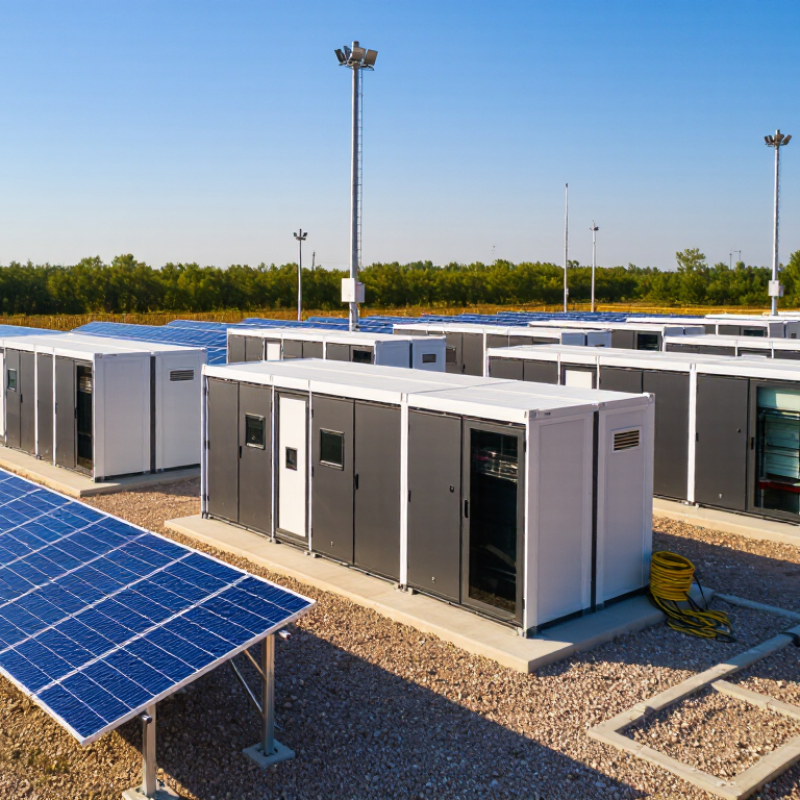
Solar PV Battery Basics and Key Selection Criteria for Global Buyers
A solar PV battery stores surplus electricity for evening use, backup power, or unstable grid conditions. Most systems combine battery cells, a battery management system, an inverter, and protective controls. Lithium iron phosphate chemistry is widely selected because it offers strong thermal stability and long cycle performance. However, chemistry alone does not guarantee a suitable installation.
Global buyers should compare usable capacity, not only the advertised capacity. Depth of discharge, round-trip efficiency, continuous power, and surge power directly affect daily performance. A 10 kWh battery may deliver less than expected after reserve limits and conversion losses. Small labels matter. Check the operating temperature range, enclosure rating, noise level, and mounting requirements before ordering. Heat changes the answer. In tropical regions, ventilation and thermal control deserve careful review.
One field lesson is that compatibility often matters more than a larger battery. Confirm voltage, frequency, inverter communication, grid requirements, and backup switching time. Request independent test reports, warranty conditions, safety certifications, and clear cycle-life assumptions. Ask whether the warranty depends on temperature, annual throughput, or installation by approved technicians. Shipping conditions also matter, especially for remote projects or high-altitude sites. Local service capacity can prevent weeks of downtime, but buyers sometimes underestimate this cost. I would also question optimistic payback forecasts, because tariffs, weather, degradation, and future electricity demand rarely remain constant. A careful comparison should include replacement planning, recycling arrangements, spare parts, and documented commissioning procedures.
2026 Top Solar PV Battery Suppliers for Global Buyers
Solar PV Battery Basics and Key Selection Criteria for Global Buyers
The chart compares typical cycle-life ranges for commonly used solar PV battery chemistries when operated under appropriate charging conditions. Lithium iron phosphate batteries generally provide the longest cycle life and strong thermal stability, while lithium nickel manganese cobalt oxide batteries offer high energy density. Lead-acid batteries remain widely used for lower-cost applications but typically require a lower depth of discharge and more frequent replacement. Global buyers should also evaluate usable capacity, round-trip efficiency, warranty terms, safety certifications, operating temperature, protection systems, and local service support.
Values shown are indicative industry ranges and can vary according to operating temperature, charge and discharge rate, depth of discharge, system design, and maintenance conditions.
Leading Solar PV Battery Suppliers Expected to Shape the 2026 Market
2026 Top Solar PV Battery Suppliers for Global Buyers
Leading Solar PV Battery Suppliers Expected to Shape the 2026 Market
In 2026, leading solar PV battery suppliers will compete through safety, traceability, and dependable service. Global buyers will examine more than battery capacity. They will review cell quality, thermal control, cycle testing, and warranty terms. A clear production record matters. So does responsive technical support.
Residential projects may require compact systems between 5 and 15 kWh. Commercial sites often need modular storage above 100 kWh. Suppliers that offer flexible designs can serve both markets. However, flexibility should not weaken quality control. Buyers should request test reports, installation guidance, and documented protection settings before signing contracts.
Field experience also reveals practical concerns. A battery may perform well in a laboratory but struggle in humid coastal weather. Local temperature, grid stability, and installer training can change results. This is often overlooked. Suppliers shaping the 2026 market will provide regional compliance documents and useful maintenance data. They should explain performance limits honestly, including capacity loss over time. No forecast is perfect. Some buyers may still choose lower prices, although that decision can create higher service costs later. Availability of replacement parts, remote diagnostics, and safe recycling channels will increasingly influence long-term purchasing decisions.
Comparing Battery Technologies, Storage Capacity, and System Performance
For global solar buyers in 2026, battery technology affects safety, lifespan, and daily output. Lithium iron phosphate batteries remain popular because they offer strong thermal stability and many operating cycles. Nickel manganese cobalt batteries can provide higher energy density, but they demand stricter thermal control. Sodium-ion systems are gaining attention for lower-cost storage, though long-term field data remains limited. That uncertainty deserves attention.
Storage capacity should be measured in usable kilowatt-hours, not only the advertised figure. A 100 kWh battery may provide less after reserve limits and conversion losses. Round-trip efficiency also changes real savings. During site testing, monitor charging at midday and discharge after sunset. Record battery temperature, inverter response, and output stability. Small details matter.
Tips: Compare usable capacity, cycle life, warranty conditions, and temperature limits. Ask suppliers for independent test reports and degradation data. Check whether the battery management system communicates correctly with your inverter. A low purchase price can hide replacement costs. I have seen projects perform well on paper but struggle during cloudy weeks. Weather patterns, maintenance skills, and grid rules can weaken a perfect spreadsheet. Therefore, evaluate performance using local solar data, not a generic simulation.
Evaluating Supplier Quality, Certifications, Warranty, and After-Sales Support
For global buyers, supplier quality starts with evidence, not attractive specifications. The IEA PVPS reported more than 400 GW of solar capacity added worldwide in 2023. That growth increases pressure on battery supply chains and service teams. Request factory audit records, cell traceability, production test results, and independent safety reports. Check IEC 62619, IEC 63056, IEC 62109, and UN 38.3 compliance where applicable. ISO 9001 supports process control, but it does not replace product certification. A certificate is evidence, not proof.
Warranty language needs closer inspection. Ask for guaranteed capacity, cycle limits, operating temperatures, state-of-charge rules, and permitted charging rates. Clarify whether coverage follows energy throughput or calendar years. Require a written degradation curve and defined replacement procedure. Wood Mackenzie reported strong global growth in energy storage deployments, yet rapid expansion can expose weak after-sales systems. Confirm local spare-parts stock, remote diagnostics, response times, and technician training. A 48-hour reply is different from a 48-hour repair.
The IEA’s Batteries and Secure Energy Transitions report also highlights the strategic importance of resilient battery supply chains. Buyers should therefore review financial stability and manufacturing redundancy. Ask for failure-rate data from comparable projects. Some suppliers provide impressive dashboards, but limited field evidence. That gap deserves scrutiny. A low purchase price may become expensive after one inverter fault, a delayed module, or unclear warranty responsibility. Supplier selection is still partly judgment, and judgment can be wrong.
Global Purchasing Factors: Pricing, Logistics, Compliance, and Market Fit
For global buyers comparing top solar PV battery suppliers in 2026, price is only the opening figure. A low quote may exclude cells, inverter integration, monitoring software, inland delivery, or commissioning. Request a line-item offer with currency, Incoterm, warranty conditions, and expected degradation. A recurring procurement error is accepting a “complete system” without checking site cabling. Small omissions become expensive. Compare delivered cost per usable kilowatt-hour, not only battery capacity.
Logistics needs a site-level plan. Confirm production lead time, port options, crate dimensions, storage limits, and replacement-part routes before ordering. For lithium systems, request current transport documents, test reports, safety data, and packaging details required by the destination and carrier. Local grid rules may also require certified inverters, fire protection, emergency isolation, and approved installation procedures. Requirements differ by country, and sometimes by utility. Suppliers should provide traceable documents, not vague assurances. Customs delays can turn a seven-week schedule into a costly idle site.
Market fit depends on climate, load profile, and installer capability. A coastal project may need stronger corrosion protection, while a hot inland site demands careful thermal design. Check round-trip efficiency at realistic temperatures, usable capacity after reserve settings, and service response times. Ask for references from similar climates, then verify them independently. A common assessment weakness is trusting laboratory figures too quickly. Field data is messier, yet more useful. Buyers should test remote monitoring, spare-part availability, and end-of-life responsibilities before signing. A technically strong battery can still fail commercially when local technicians cannot support it.