180 Rotation Rotary Actuator How Does It Work and Applications?
The 180 Rotation Rotary Actuator is a crucial component in many mechanical systems. It converts rotational motion into useful work. Understanding how it operates can improve design choices.
Rotary actuators have a wide range of applications. They can be found in robotics, automotive systems, and industrial machinery. Each use case demonstrates unique challenges and benefits. Sometimes, the actuator’s efficiency might not meet expectations.
Proper integration of the 180 Rotation Rotary Actuator can streamline processes. However, choosing the right actuator requires careful consideration. Engineers must reflect on their specific needs and constraints. It’s not just about functionality; it’s about achieving optimal performance.
What is a 180 Rotation Rotary Actuator and Its Basic Components?
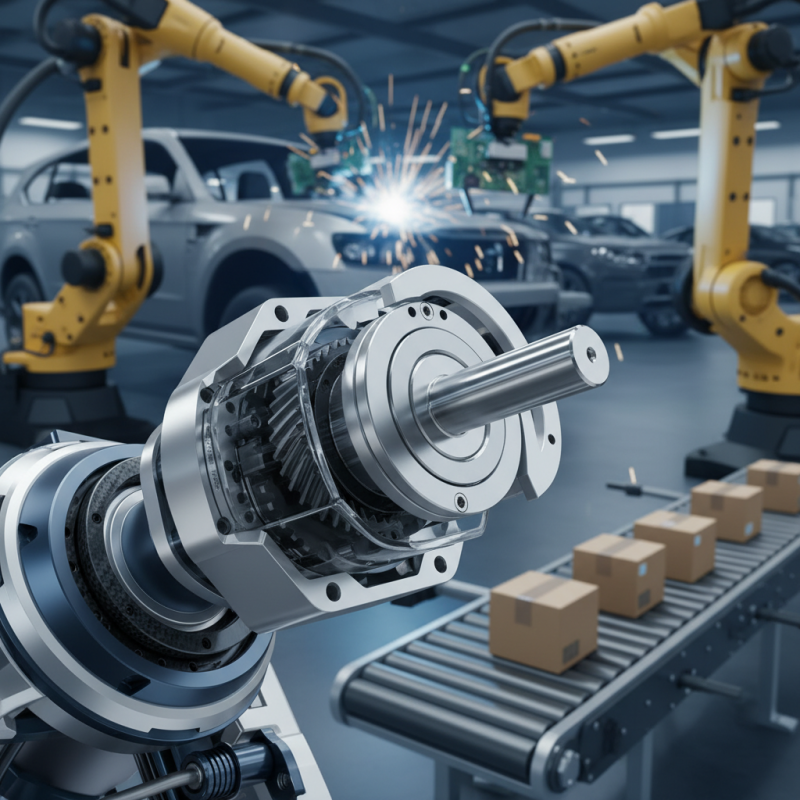
A 180 rotation rotary actuator is a device that allows precise rotational movement. It is widely used in robotics, automation, and various industrial applications. At its core, the actuator consists of essential components: a motor, a gearbox, and control electronics. These parts work together to enable the actuator to rotate an output shaft up to 180 degrees.
Typically, the motor provides the necessary torque to initiate movement. Gearboxes then modify this torque, allowing for greater force with reduced speed. Control electronics help in managing the actuator’s position and speed. According to industry reports, the global rotary actuator market is expected to grow significantly, driven by advancements in technology and demand for automation. By 2025, it might reach a valuation of over $3 billion.
Despite their advantages, 180 rotation rotary actuators present challenges. For instance, precision can sometimes be affected by mechanical backlash. Additionally, heat generation during operation can lead to performance issues. It’s crucial to consider these factors in design and application. Understanding these nuances can significantly impact efficiency. Such considerations could influence the actuator’s effectiveness in real-world applications.
How Does a 180 Rotation Rotary Actuator Function Mechanically?
A 180 rotation rotary actuator operates based on mechanical principles that allow it to deliver precise movements. It uses a series of gears and motors to achieve the desired angle of rotation. These components work together to convert electrical energy into rotational motion. The actuator receives signals that dictate the extent of rotation needed, often up to 180 degrees.
One common mechanism involves the use of a rotary encoder. This device tracks the position of the actuator and provides feedback to ensure accuracy. When the actuator turns, it generates torque. This torque is what allows it to carry various loads. The entire system relies on intricate engineering. However, even slight misalignments can lead to performance issues. Sometimes, these devices may not return to their exact starting position.
Applications of 180 rotation rotary actuators are diverse. They are commonly found in robotics, industrial automation, and even in automated doors. Despite their versatility, they present challenges in maintenance and calibration. Users must regularly monitor wear and adjust settings accordingly. This ensures optimal operation. Failure to do so can lead to decreased efficiency.
Common Applications of 180 Rotation Rotary Actuators in Industries
180 Rotation Rotary Actuators are vital in various industries. These devices convert electrical energy into mechanical movement. They can precisely rotate objects by 180 degrees. Common applications include packaging, automotive, and robotics. In packaging, they help in opening and closing lids quickly. This efficiency increases production speed by up to 30%, according to a recent industry report.
In the automotive sector, 180 Rotation Rotary Actuators are used in seat adjustments and mirror positioning. The use of these actuators enhances user comfort and safety. Research shows that around 25% of automotive manufacturers have adopted this technology in their designs. In robotics, they enable smooth movement for arms and grippers. This allows robots to complete tasks with greater precision. However, some challenges persist. Achieving consistent torque levels remains an area for improvement.
Despite their advantages, the actuators can have limitations. Maintenance is often needed to ensure optimal performance. Some users report variability in response times. This can lead to inconsistent operation, which might affect productivity. Ensuring reliable quality control is essential as industries move forward with adopting these technologies.
180 Rotation Rotary Actuator How Does It Work and Applications? - Common Applications of 180 Rotation Rotary Actuators in Industries
| Application Area | Description | Advantages | Industry |
| Robotics | Used for precise control of robotic arms and grippers. | High precision and repeatability. | Manufacturing |
| Automated Assembly | Enables automated picking and placing of components. | Increases efficiency and reduces human error. | Electronics |
| Industrial Automation | Controls movement in conveyors and sorting machines. | Improved speed and accuracy in operations. | Logistics |
| Agriculture Equipment | Used in irrigation systems to adjust water flow direction. | Enhances resource efficiency and crop yield. | Agriculture |
| Material Handling | Facilitates movement and orientation of materials during handling. | Reduces handling time and costs. | Construction |
Advantages of Using 180 Rotation Rotary Actuators Over Other Types
180-degree rotation rotary actuators offer notable advantages over traditional actuators. Their compact size makes them ideal for tight spaces. In complex applications, their design enhances efficiency. According to a report by Research and Markets, the global market for rotary actuators is expected to grow by 6.5% annually over the next five years. This growth reflects their increasing popularity across various industrial sectors.
One of the main benefits of using 180-degree rotation actuators is their simplicity. They provide straightforward motion control. This can reduce the likelihood of mechanical failure. In automating processes, their reliability is crucial. Less complexity in design often results in lower maintenance costs. However, it is essential to ensure that these actuators are compatible with existing systems to prevent any integration issues.
Tips: When selecting a rotary actuator, assess both the load capacity and speed requirements. It's easy to overlook these factors, but they are vital for performance. Consider future needs as well. Technology evolves rapidly, and your current choice may become outdated quickly. Always leave room for growth in your design.
Future Trends and Innovations in 180 Rotation Rotary Actuator Technology
The future of 180 rotation rotary actuators looks promising. As industries evolve, these devices are becoming more sophisticated. They allow for precise control in limited spaces. New materials and technologies enhance their efficiency. This shift leads to lighter designs and better performance.
For manufacturers, adopting smart technology is crucial. Integrating IoT can provide real-time feedback. This helps in monitoring actuator performance continuously. However, the learning curve can be steep. Engineers must adapt to these new systems.
Tips: Always consider the environment where the actuator will operate. Different conditions may affect its lifespan. Regular maintenance is also important to ensure consistent performance. Failures can happen without proper checks. Look into emerging innovations regularly to stay ahead.